| FIRST READING |
GOSPEL READING (with
links
to Nadal's Gospel Illustrations) |
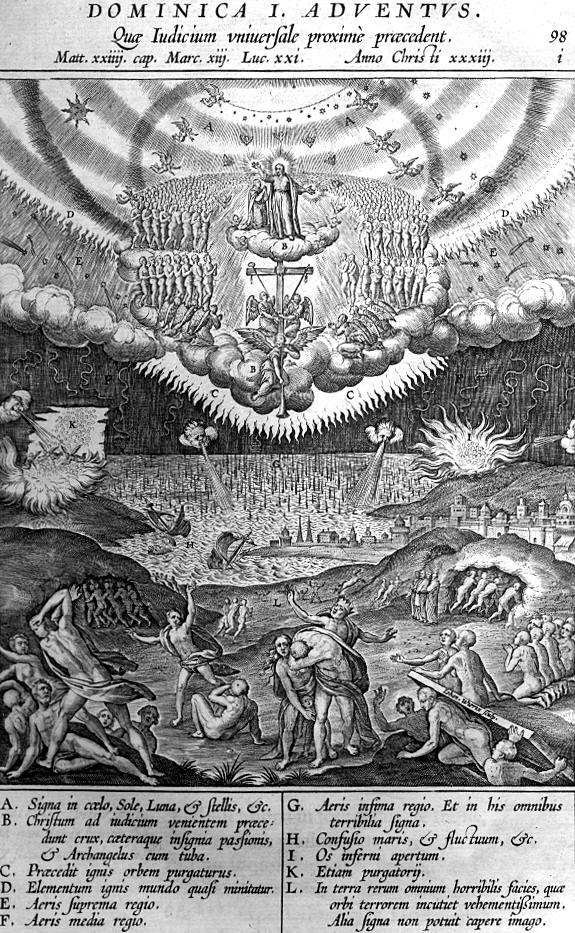
| First Sunday of Advent |
Rom 13:11-14a |
Luke 21:25-33 |
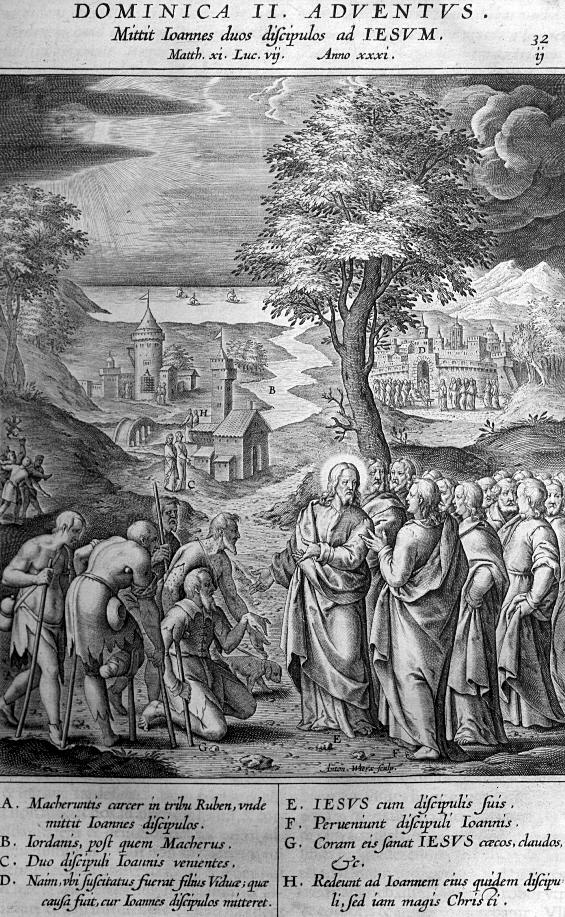
| Second Sunday of Advent |
Rom 15:4-13 |
Matt 11:2-10 |
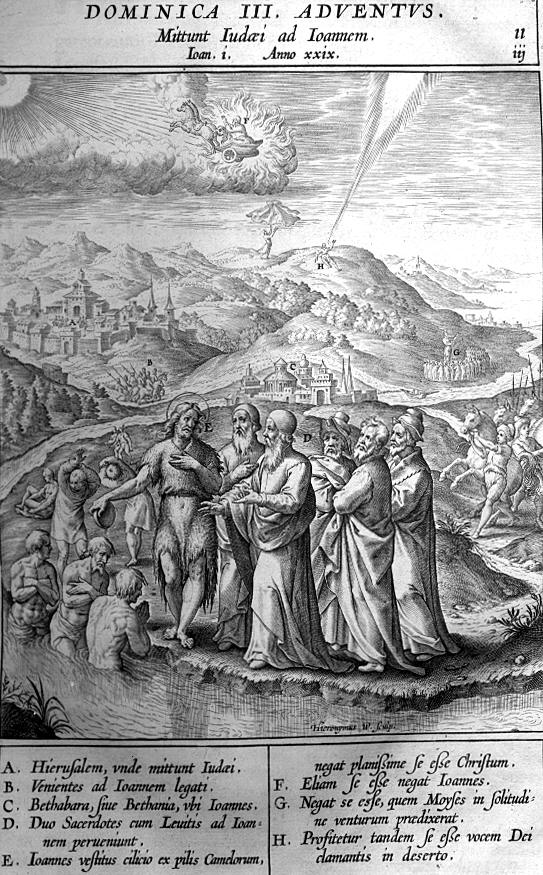
| Third Sunday of Advent |
Phil 4:4-7 |
John 1:19b-28 |
| Ember Wednesday in Advent |
Isa 2:2-5 & Isa 7:10-15 |
Luke 1:26-38 |
| Ember Friday in Advent |
Isa 11:1-5 |
Luke 1:39-47 |
| Ember Saturday in Advent |
Isa 19:20-22; Isa 35:1-7;
Isa 40:9-11; Isa 45:1-8;
Dan 3:47-51, 52-56; 2 Thess 2:1-8 |
Luke 3:1-6 |
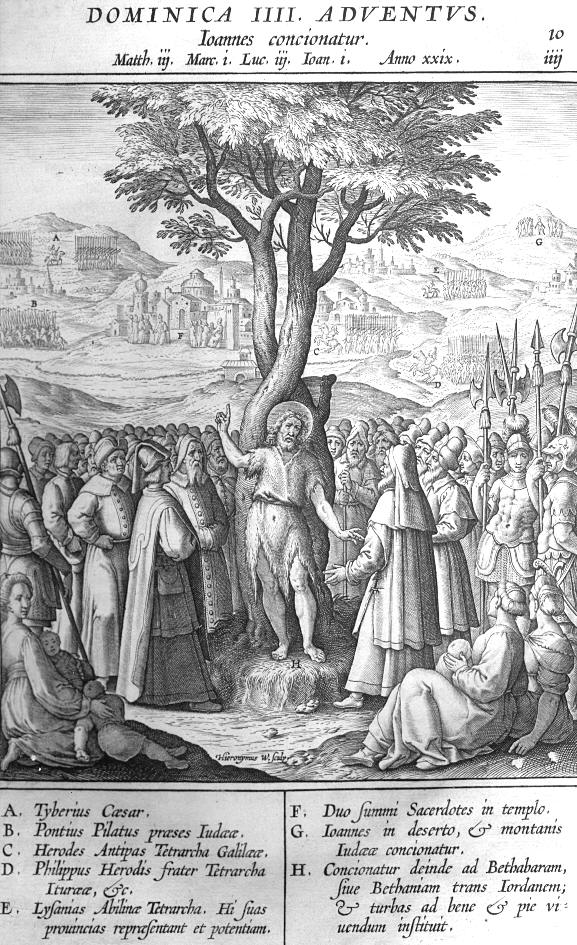
| Fourth Sunday of Advent |
1 Cor 4:1-5 |
Luke 3:1-6 |
| Christmas Vigil (12/24) |
Rom 1:1-6 |
Matt 1:18b-21 |
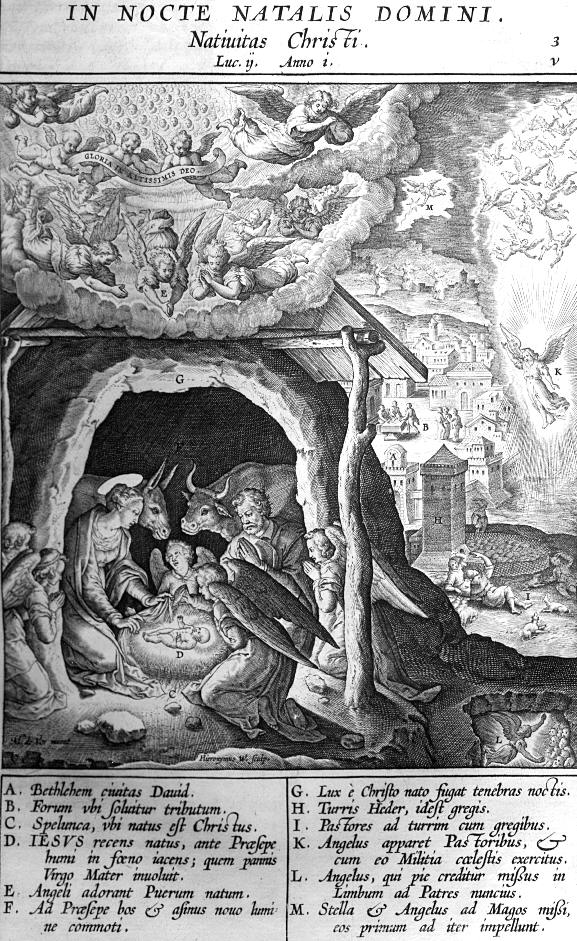
| Christmas: First Mass at Night |
Tit 2:11-15 |
Luke 2:1-14 |
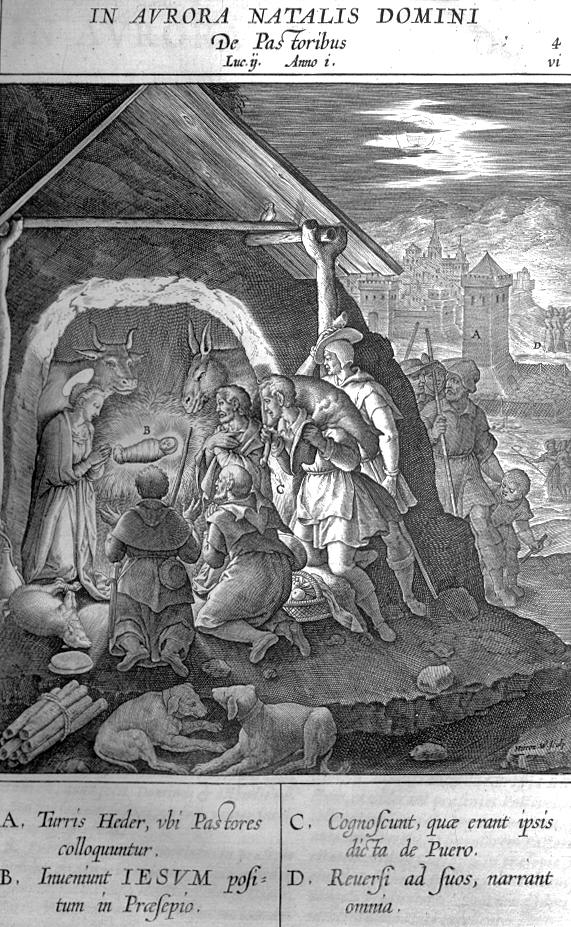
| Christmas: Second Mass at Dawn |
Tit 3:4-7 |
Luke 2:15-20 |
| Christmas: Third Mass in Daytime |
Heb 1:1-12 |
John 1:1-14 &
Matt 2:1-12 (post-communion) |
| St. Stephen (12/26) |
Acts 6:8-10; 7:54-60 |
Matt 23:34-39 |
| St. John (12/27) |
Sir 15:1-6 |
John 21:19-24 |
| Holy Innocents (12/28) |
Acts 14:1-5 |
Matt 2:13-18 |
| Sunday in Octave of Christmas |
Gal 4:1-7 |
Luke 2:33-40 |
| St. Thomas Becket (12/29) |
Heb 5:1-6 |
John 10:11-16 |
| Sixth Day in Octave of Christmas (12/30) |
Tit 3:4-7 |
Luke 2:15-20 |
| St. Silvester (12/31) |
1 Pet 5:1-4, 10-11 |
Matt 16:13-19 |
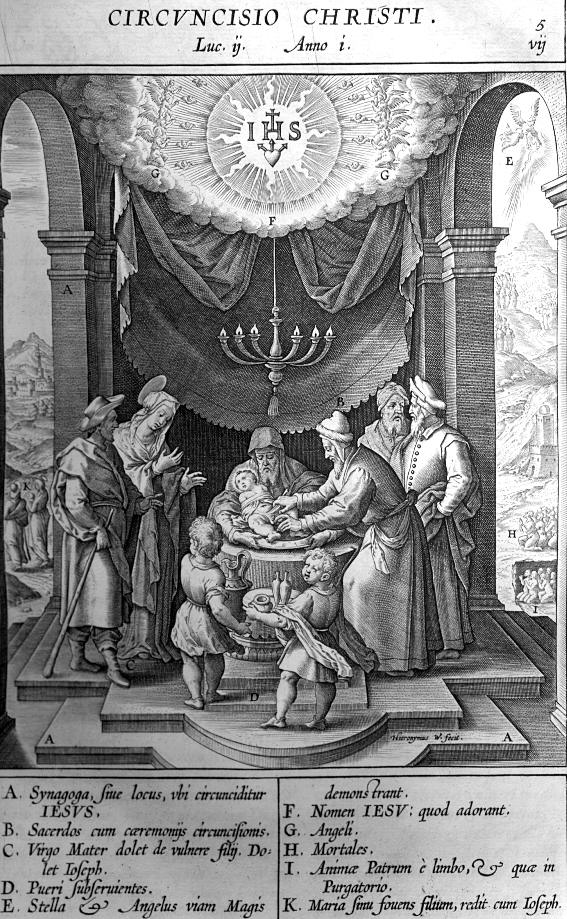
| Circumcision of the Lord & Octave of Christmas (1/1) |
Tit 2:11-15 |
Luke 2:21 |
Holy Name of Jesus
(Sunday between Circumcision and Epiphany, or 1/2) |
Acts 4:8-12 |
Luke 2:21 |
| Vigil of Epiphany (1/5) |
Gal 4:1-7 |
Matt 2:19-23 |
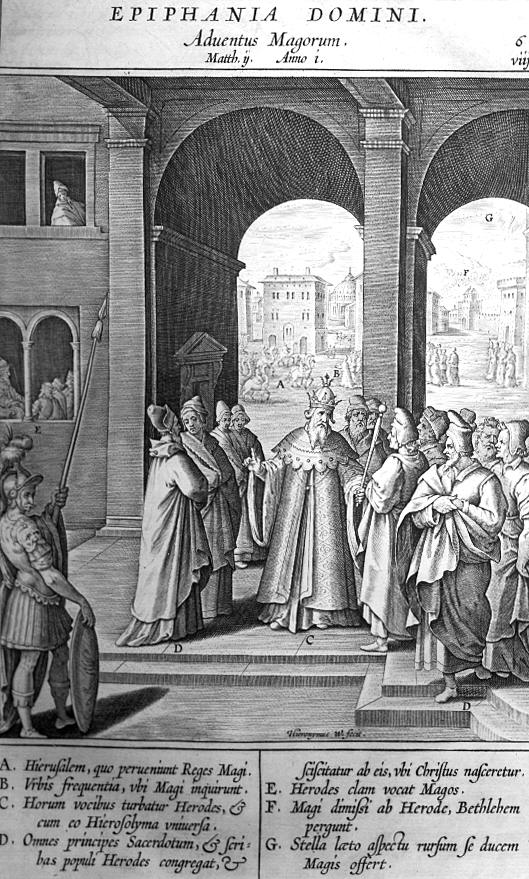
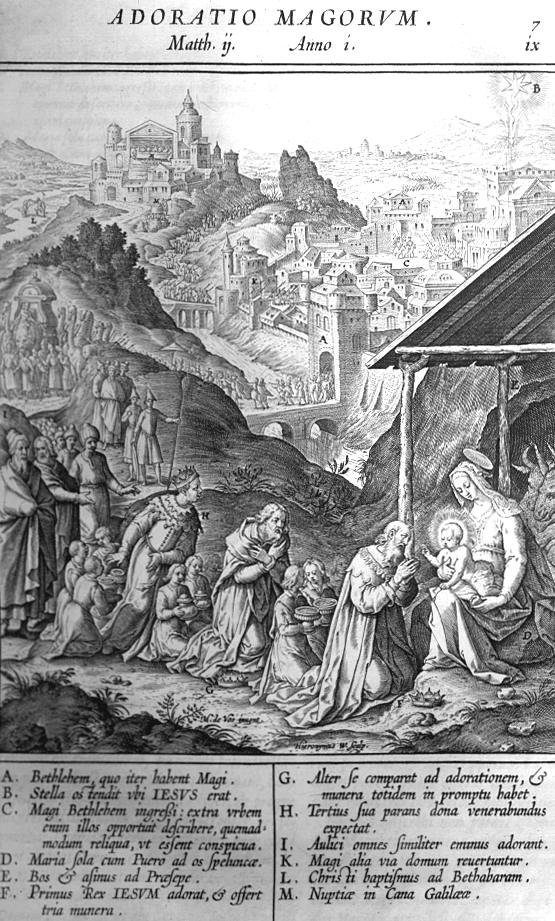
| Epiphany of the Lord (1/6) |
Isa 60:1-6 |
Matt 2:1-12 - second plate |
Holy Family of Jesus, Mary, and Joseph
(Sunday in the Octave of Epiphany) |
Col 3:12-17 |
Luke 2:42-52 |
| Weekdays after the First Sunday after Epiphany |
Rom 12:1-5 |
Luke 2:42-52 |
| Octave of Epiphany / Baptism of Our Lord (1/13) |
Isa 60:1-6 |
John 1:29-34 |
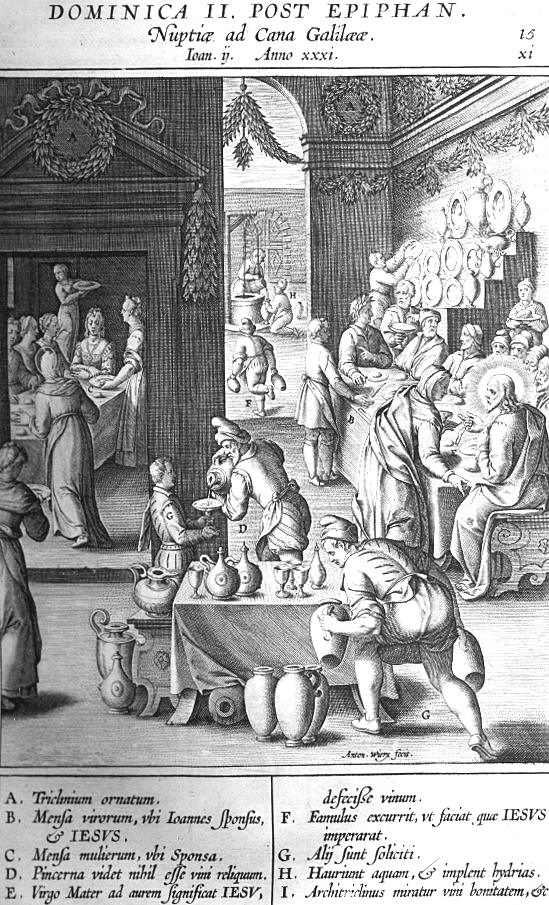
| Second Sunday after Epiphany |
Rom 12:6-16 |
John 2:1-11 |
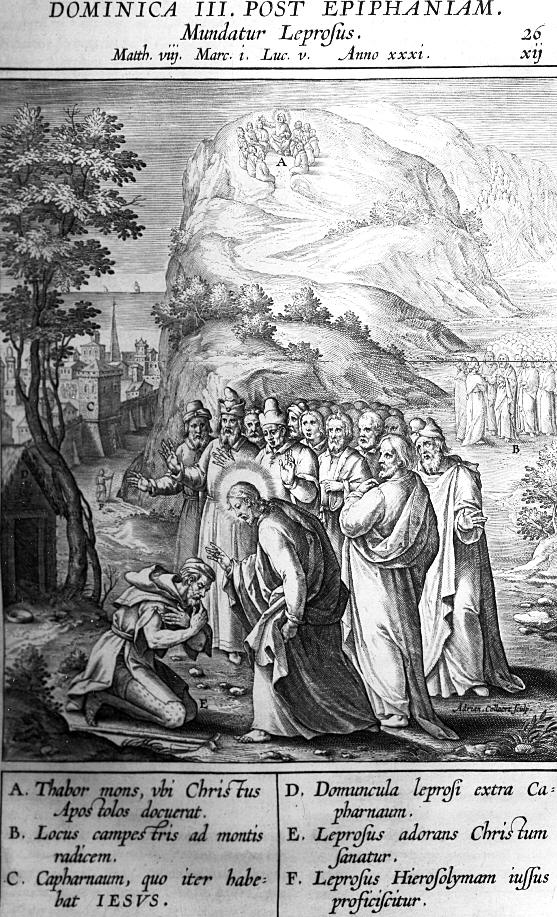
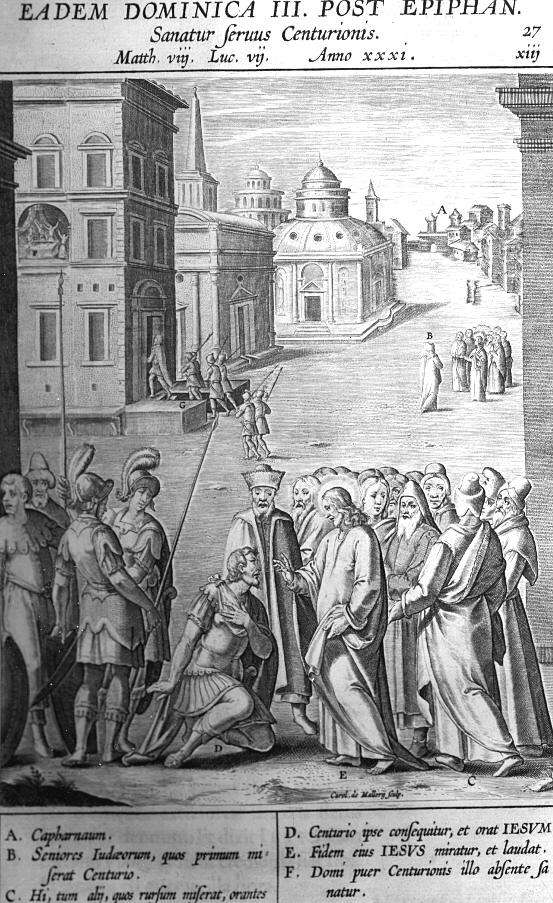
| *Third Sunday after Epiphany |
Rom 12:16c-21 |
Matt 8:1-13 - second plate |
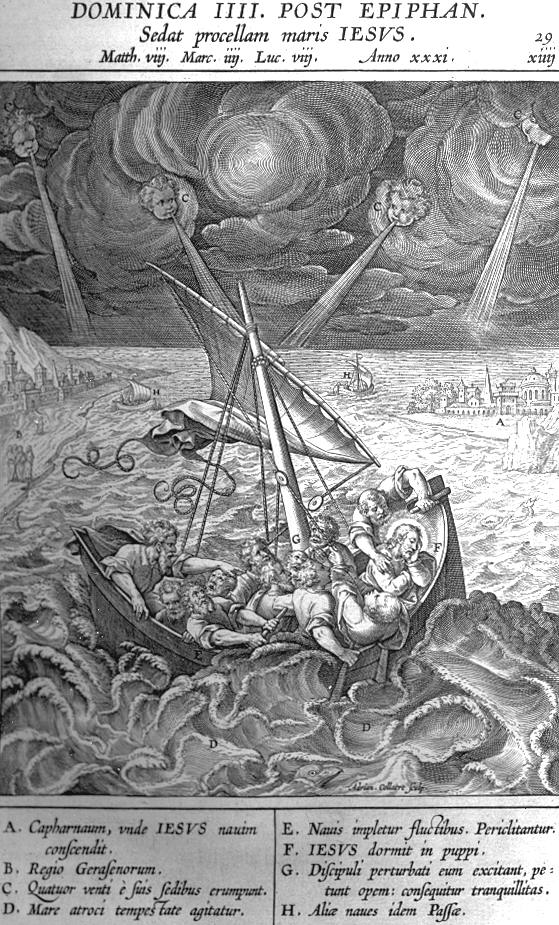
| *Fourth Sunday after Epiphany |
Rom 13:8-10 |
Matt 8:23-27 |
| *Fifth Sunday after Epiphany |
Col 3:12-17 |
Matt 13:24-30 |
| *Sixth Sunday after Epiphany |
1 Thess 1:2-10 |
Matt 13:31-35 |
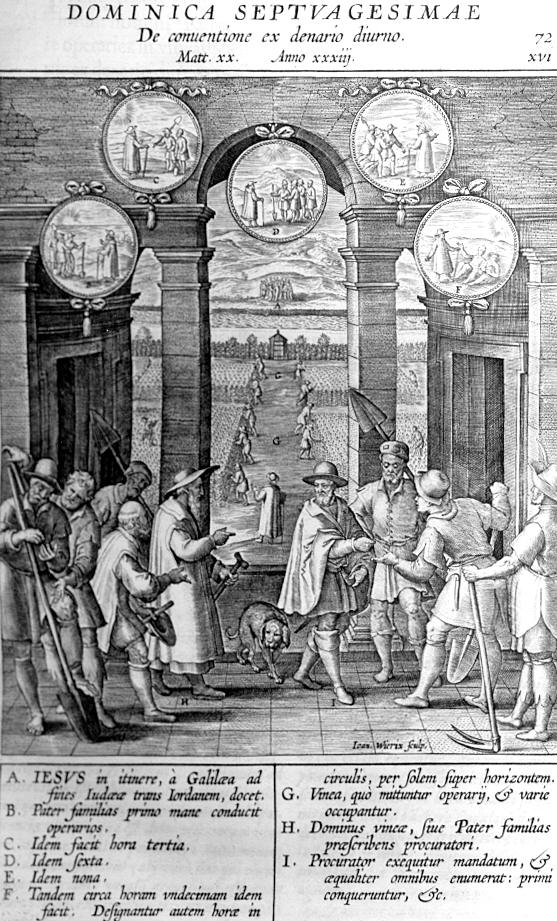
| Septuagesima Sunday |
1 Cor 9:24-27; 10:1-5a |
Matt 20:1-16 |
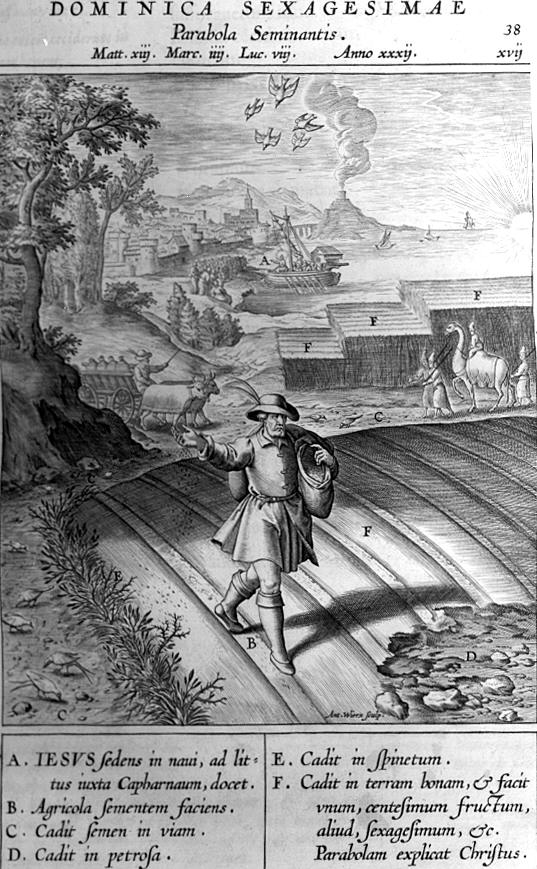
| Sexagesima Sunday |
2 Cor 11:19-33; 12:1-9 |
Luke 8:4-15 |
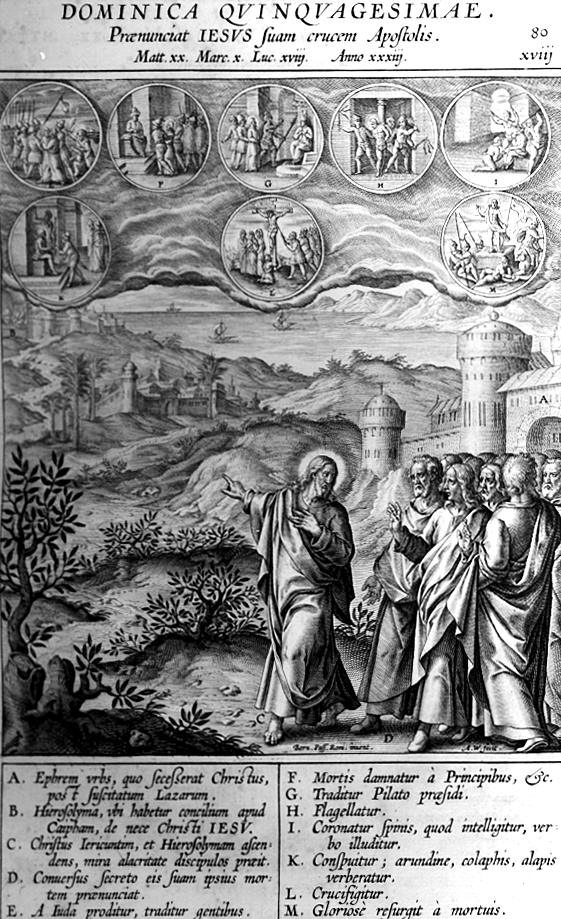
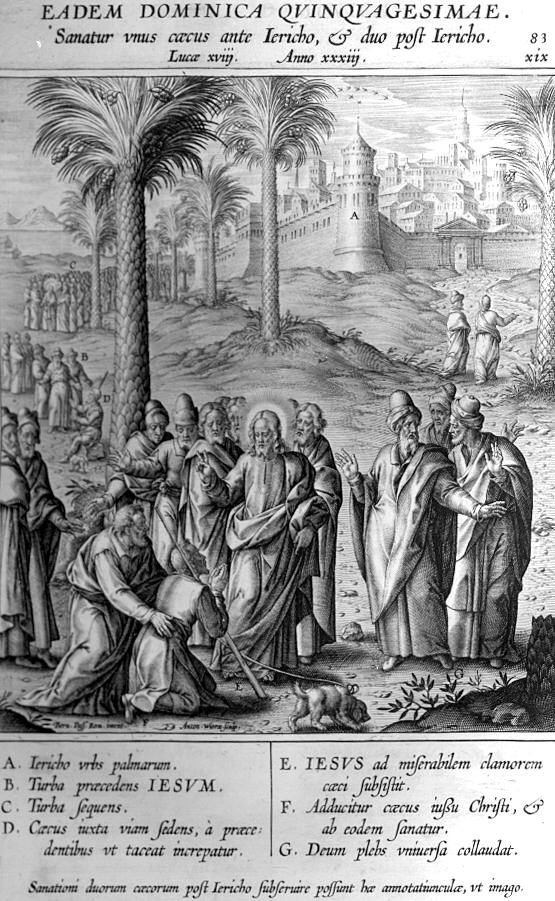
| Quinquagesima Sunday |
1 Cor 13:1-13 |
Luke 18:31-43 - second plate |
| DAY |
FIRST READING |
GOSPEL READING |
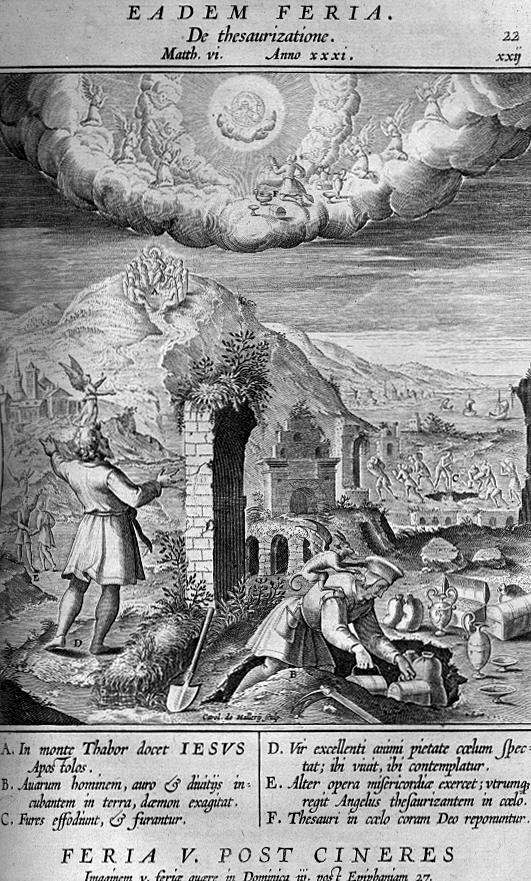
| Ash Wednesday |
Joel 2:12-19 |
Matt 6:16-21 - second plate |
| Thursday after Ash Wednesday |
Isa 38:1-6 |
Matt 8:5-13 |
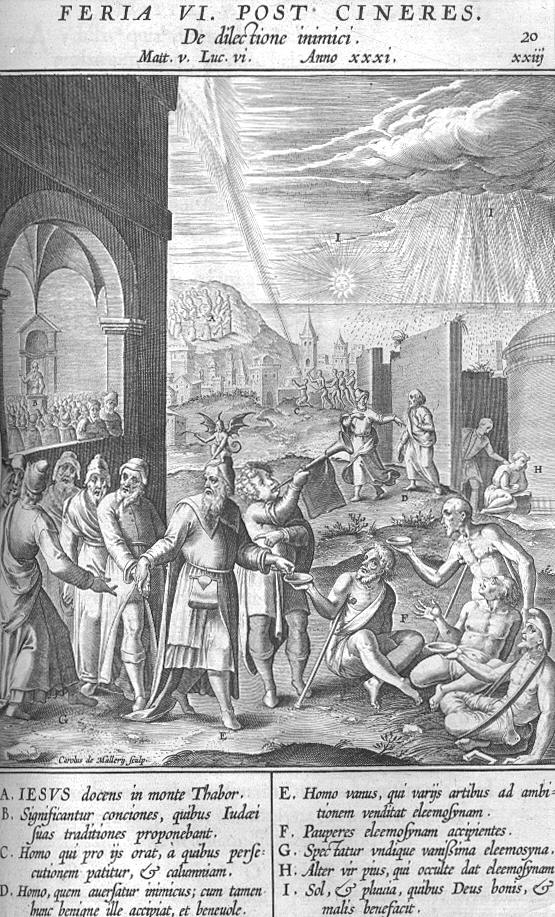
| Friday after Ash Wednesday |
Isa 58:1-9 |
Matt 5:43-48; 6:1-4 |
| Saturday after Ash Wednesday |
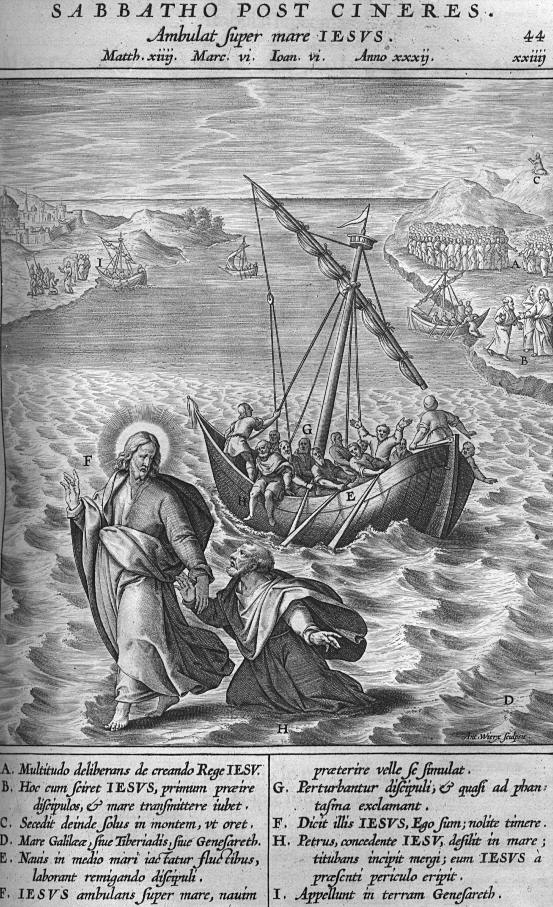
Isa 58:9-14 |
Mark 6:47-56 |
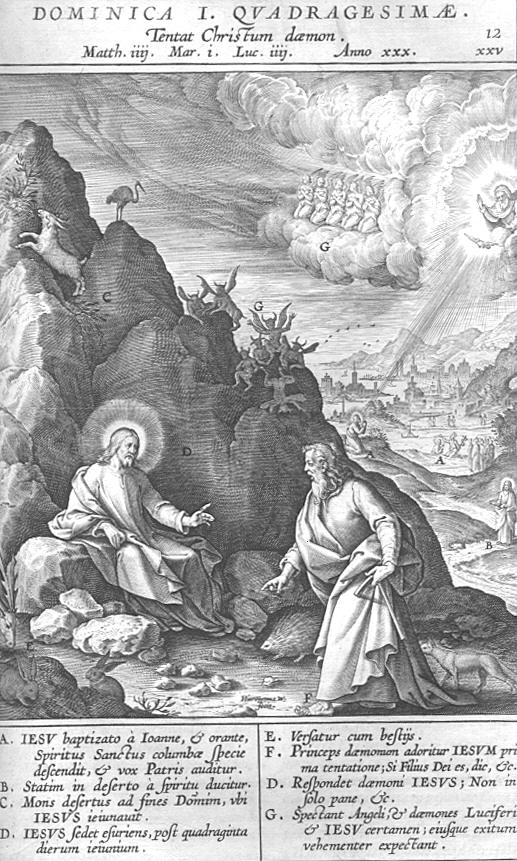
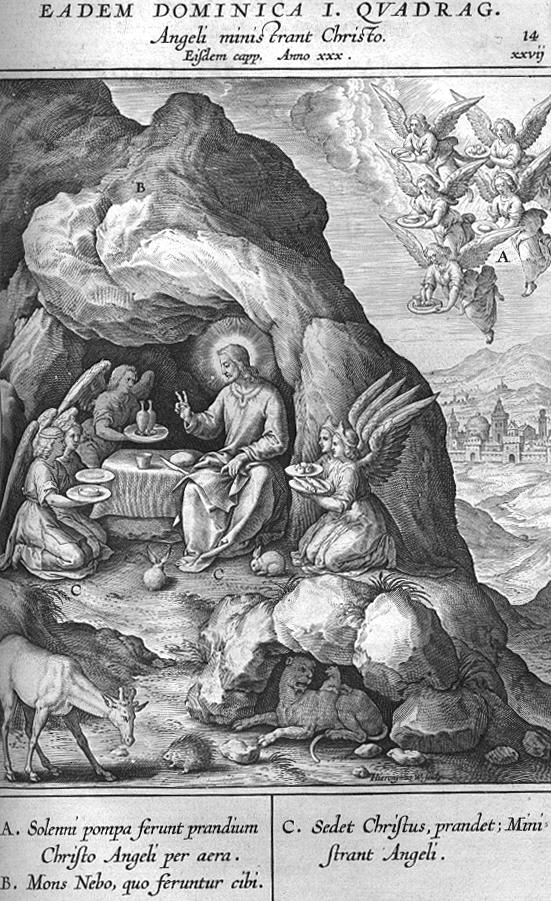
| First Sunday in Lent |
2 Cor 6:1-10 |
Matt 4:1-1 - 2nd plate - 3rd plate |
| Monday after First Sunday of Lent |
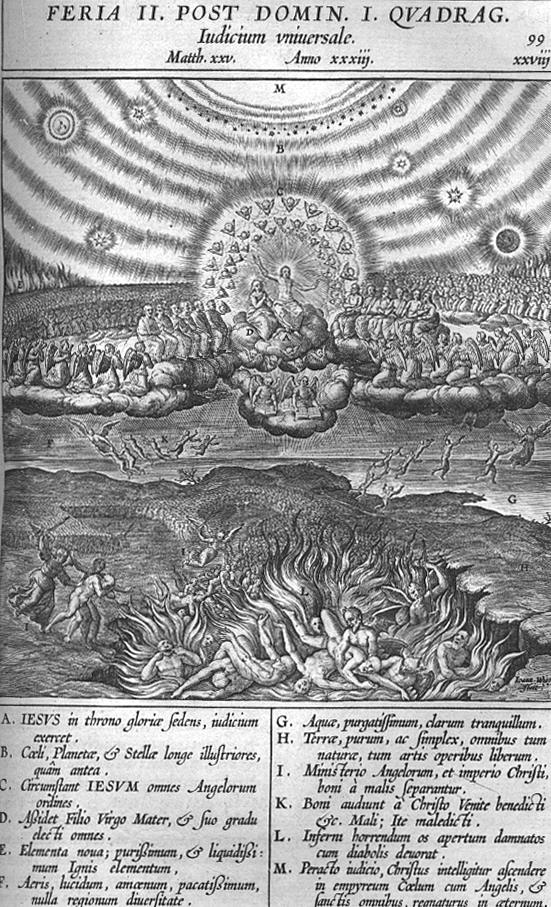
Ezek 34:11-16 |
Matt 25:31-46 |
| Tuesday after First Sunday of Lent |
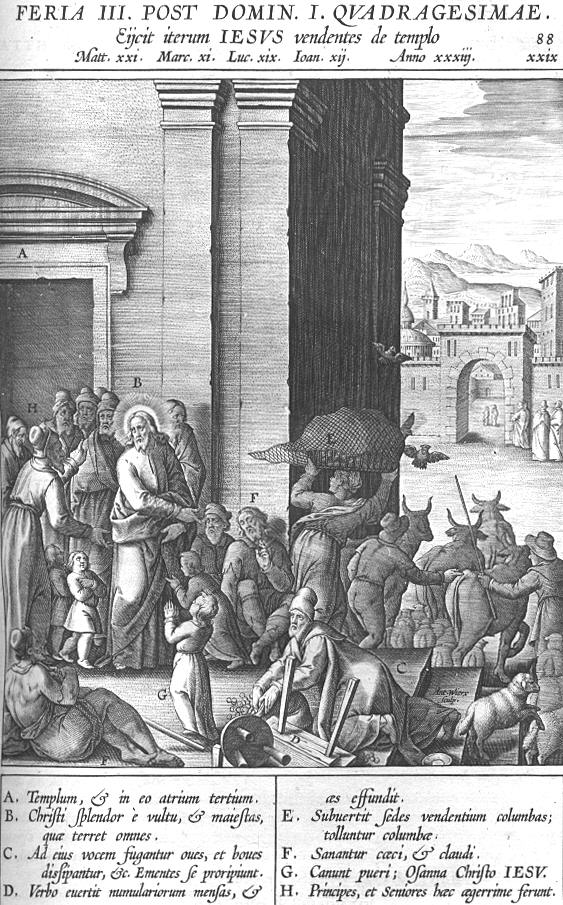
Isa 55:6-11 |
Matt 21:10-17 |
| Ember Wednesday in Lent |
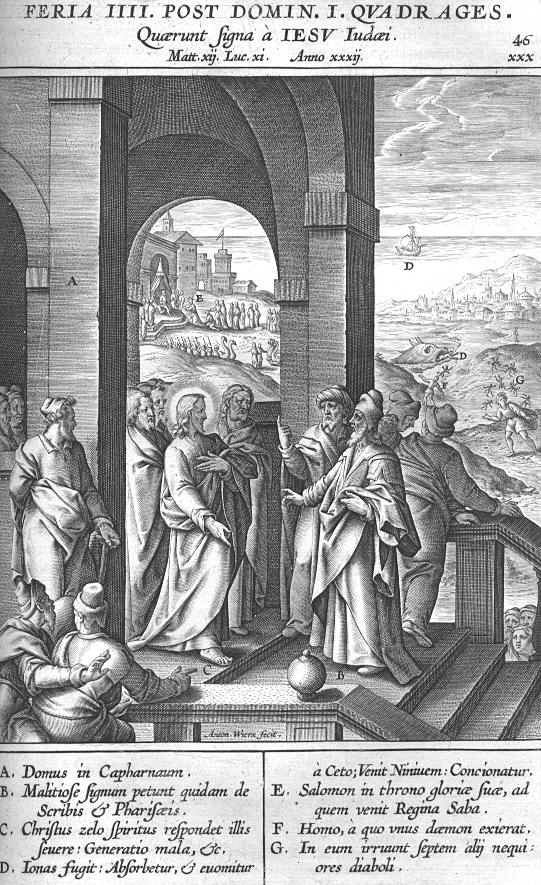
Exod 24:12-18 & 1 Kings 19:3-8 |
Matt 12:38-50 |
| Thursday after First Sunday of Lent |
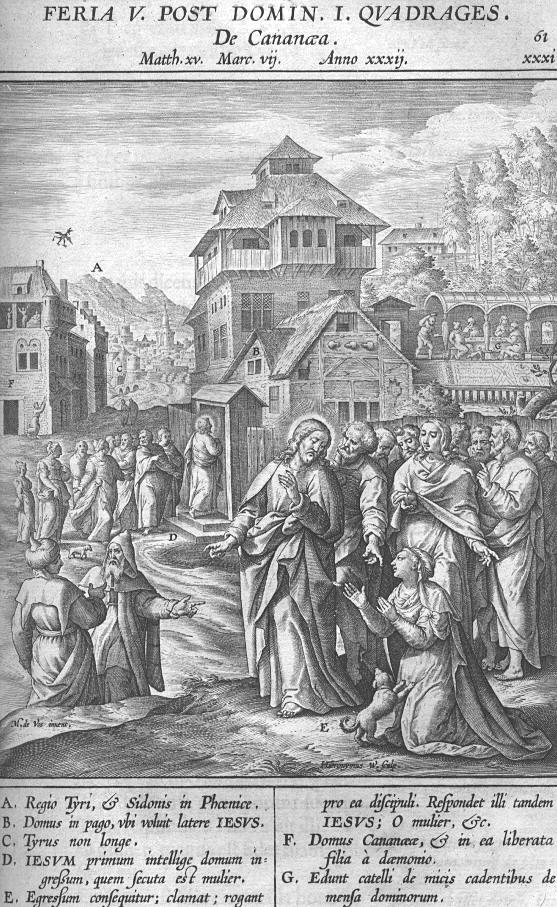
Ezek 18:1-9 |
Matt 15:21-28 |
| Ember Friday in Lent |
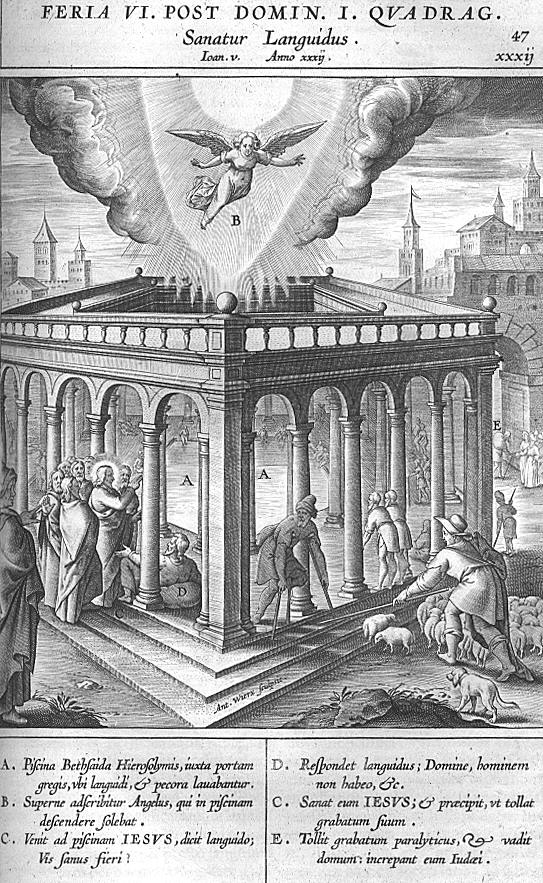
Ezek 18:20-28 |
John 5:1-15 |
| Ember Saturday in Lent |
Deut 26:12-19; Deut 11:22-25;
2 Macc 1:23-26, 27; Wis 36:1-10;
Dan 3:47-51, 52-56; 1 Thess 5:14-23 |
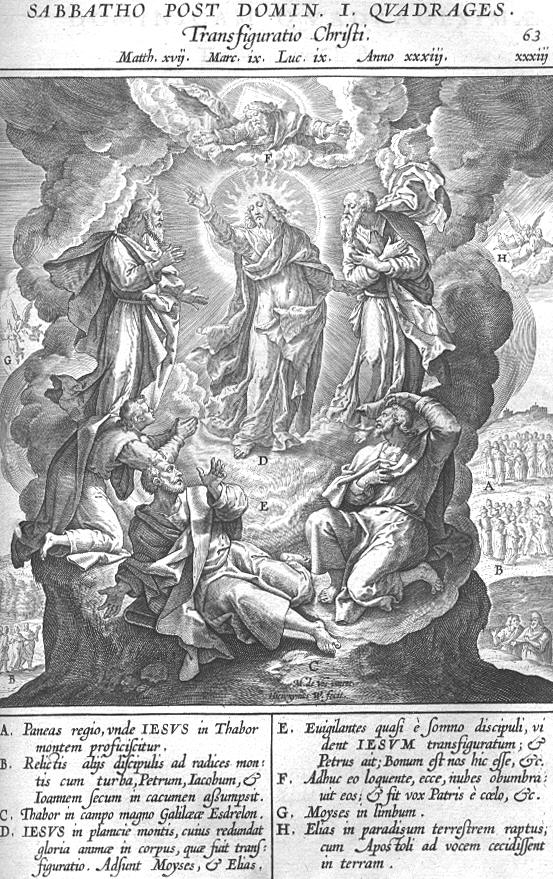
Matt 17:1-9 |
| Second Sunday in Lent |
1 Thess 4:1-7 |
Matt 17:1-9 |
| Monday after Second Sunday of Lent |
Dan 9:15-19 |
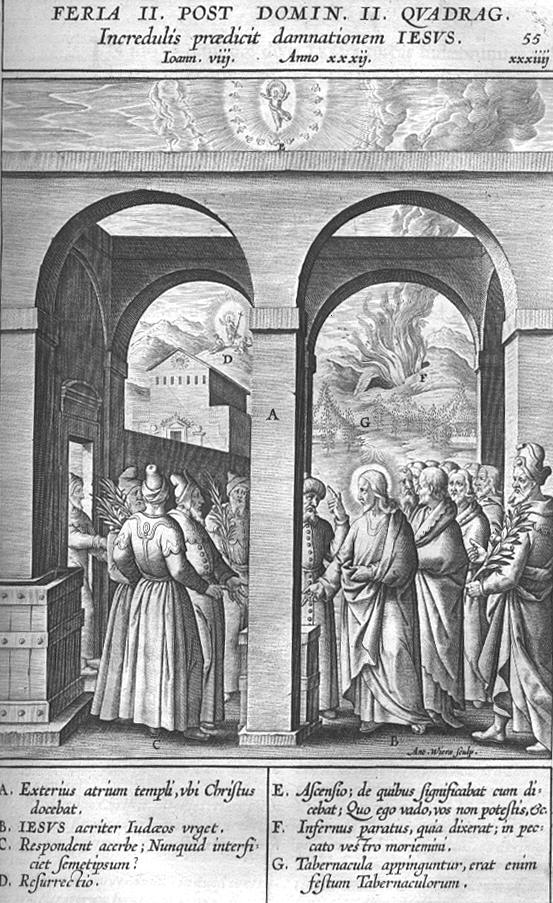
John 8:21-29 |
| Tuesday after Second Sunday of Lent |
1 Kings 17:8-16 |
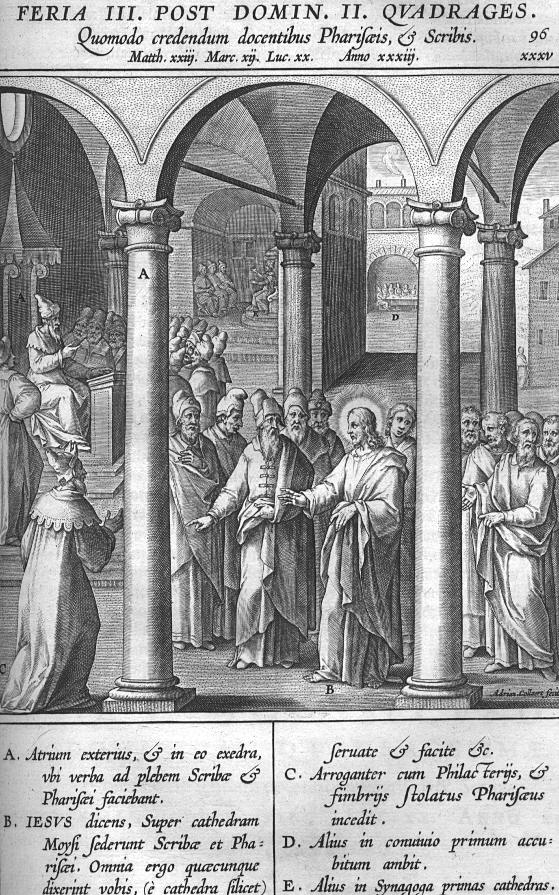
Matt 23:1-12 |
| Wednesday after Second Sunday of Lent |
Esther 13:8-11, 15-17 |
Matt 20:17-28 |
| Thursday after Second Sunday of Lent |
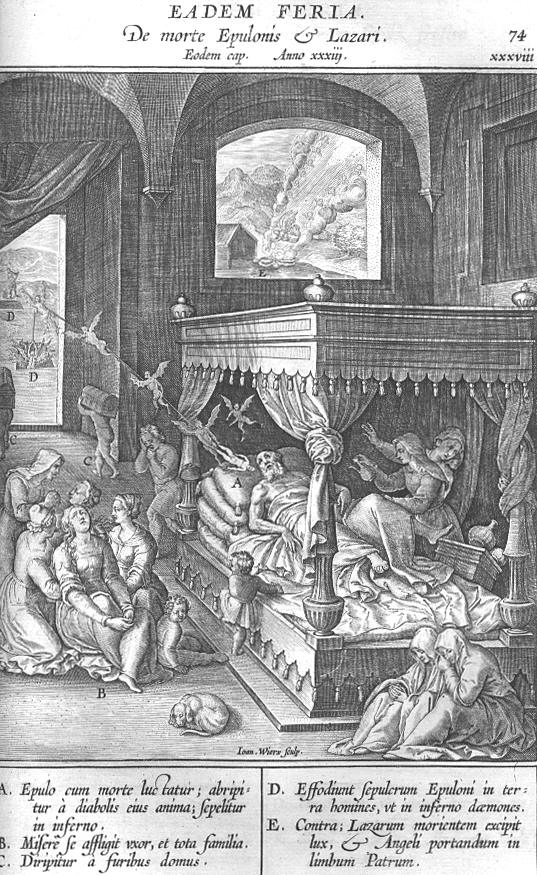
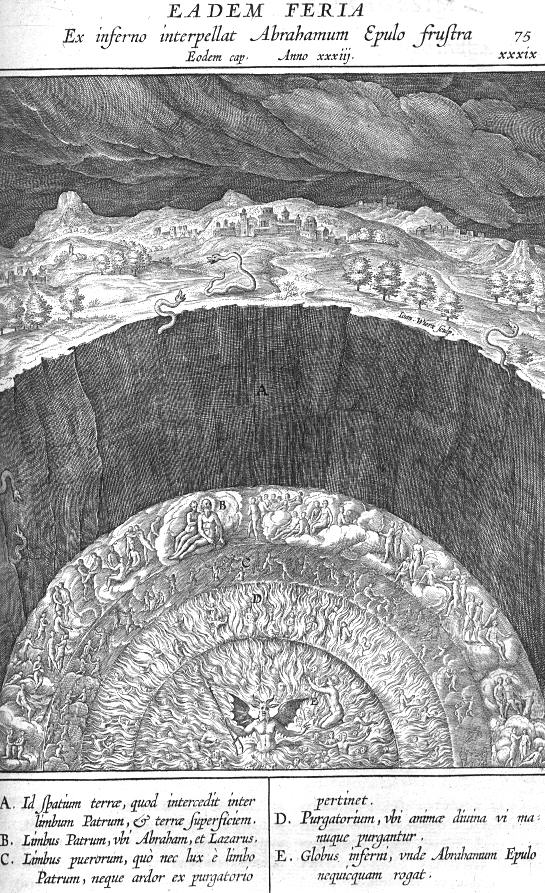
Jer 17:5-10 |
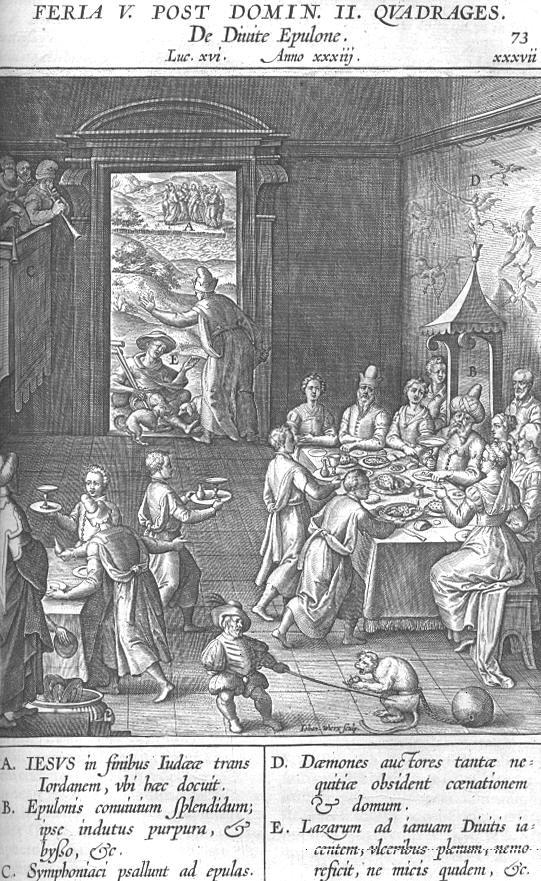
Luke 16:19-31 - 2nd plate - 3rd plate |
| Friday after Second Sunday of Lent |
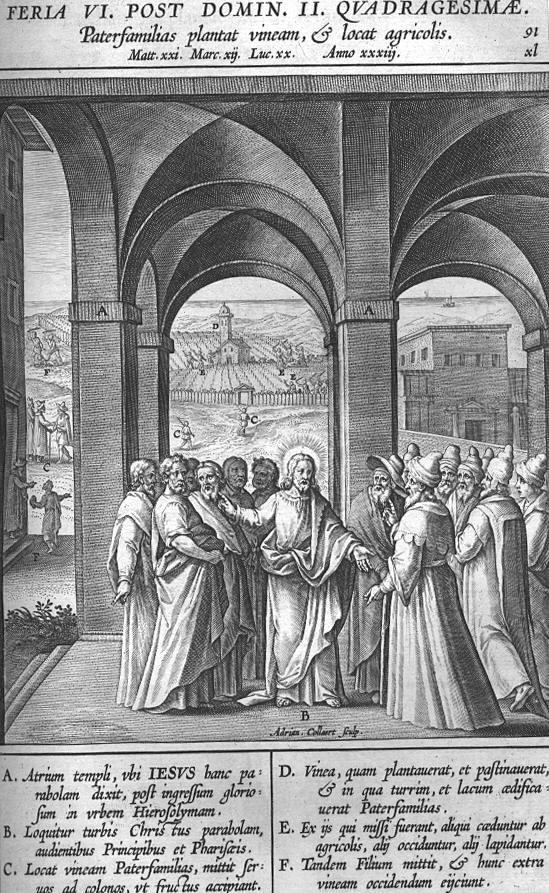
Gen 37:6-22 |
Matt 21:33-46 - second plate |
| Saturday after Second Sunday of Lent |
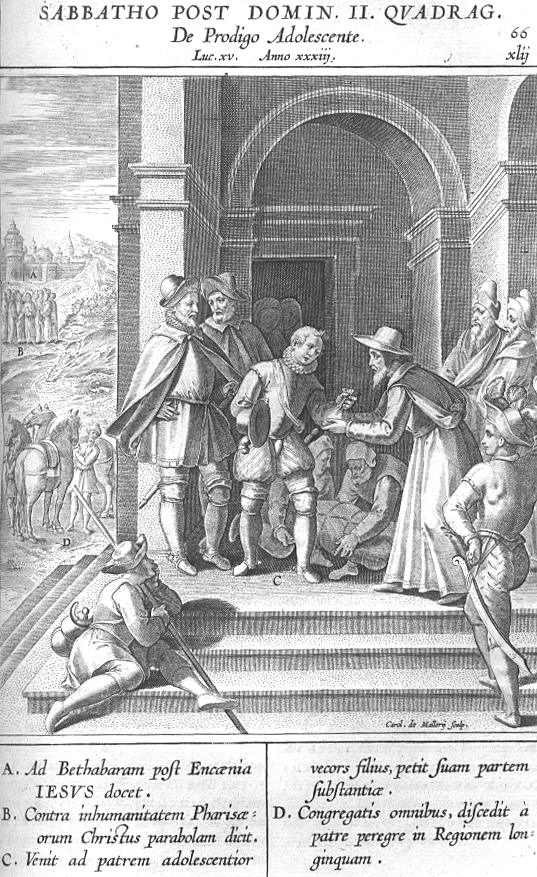
Gen 27:6-40 |
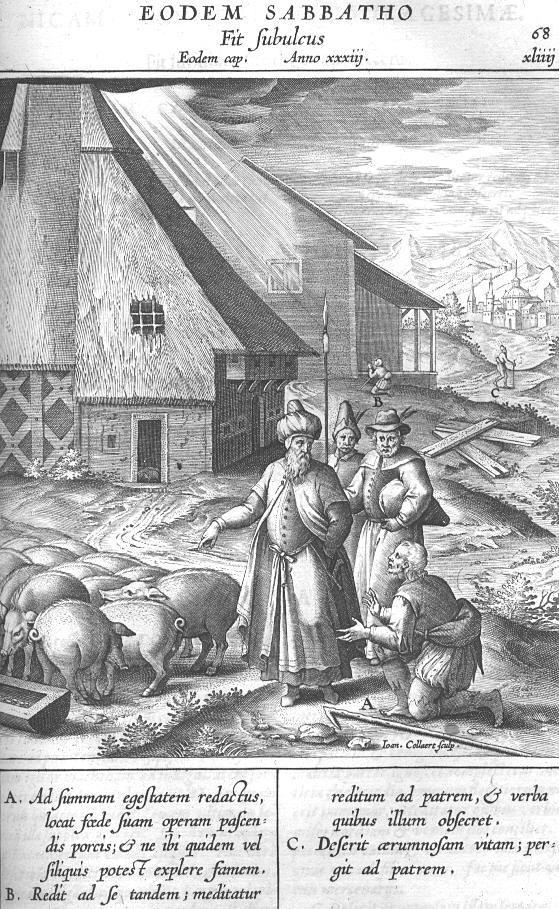
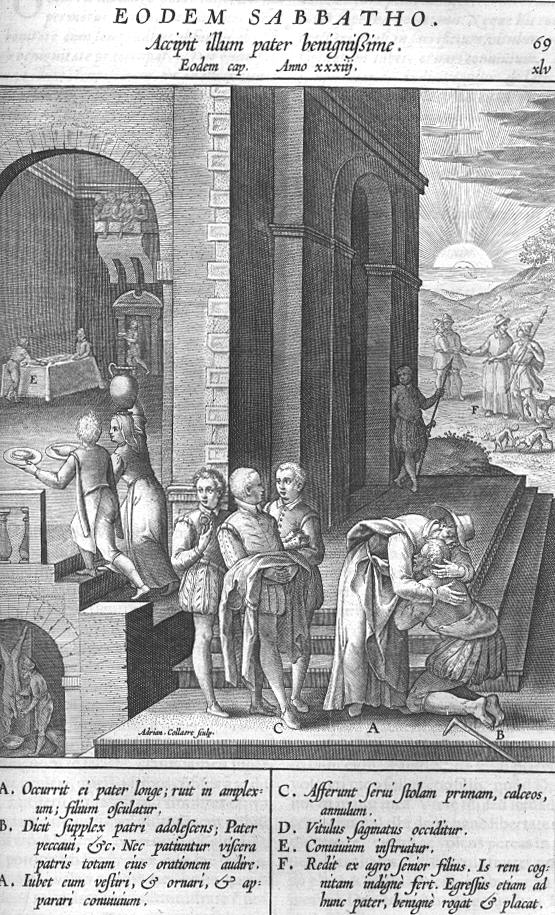
Luke 15:11-32 - second plate
third plage - fourth plate |
| Third Sunday in Lent |
Eph 5:1-9 |
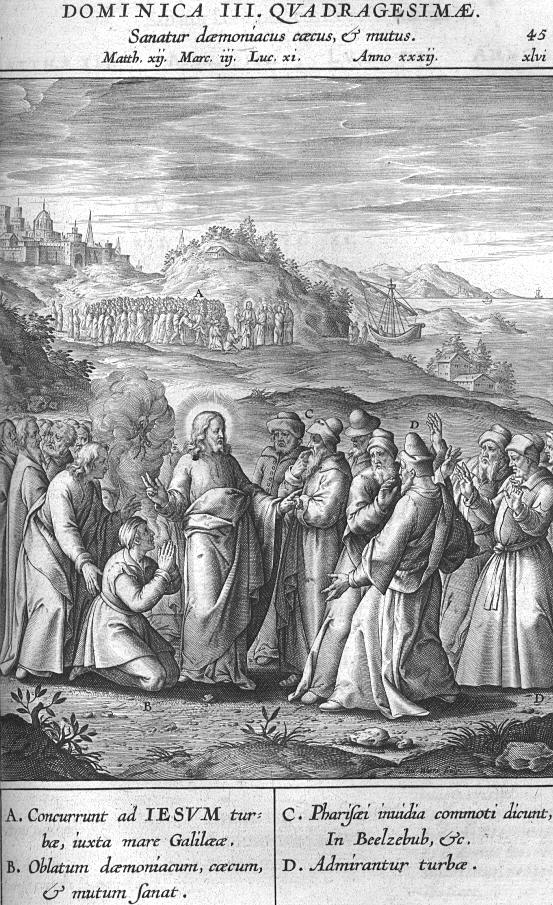
Luke 11:14-28 |
| Monday after Third Sunday of Lent |
2 Kings 5:1-15 |
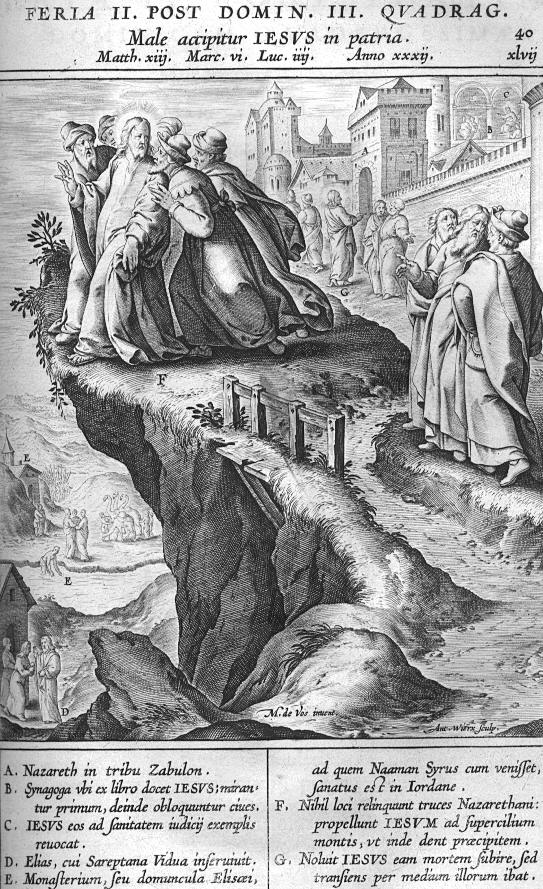
Luke 4:23-30 |
| Tuesday after Third Sunday of Lent |
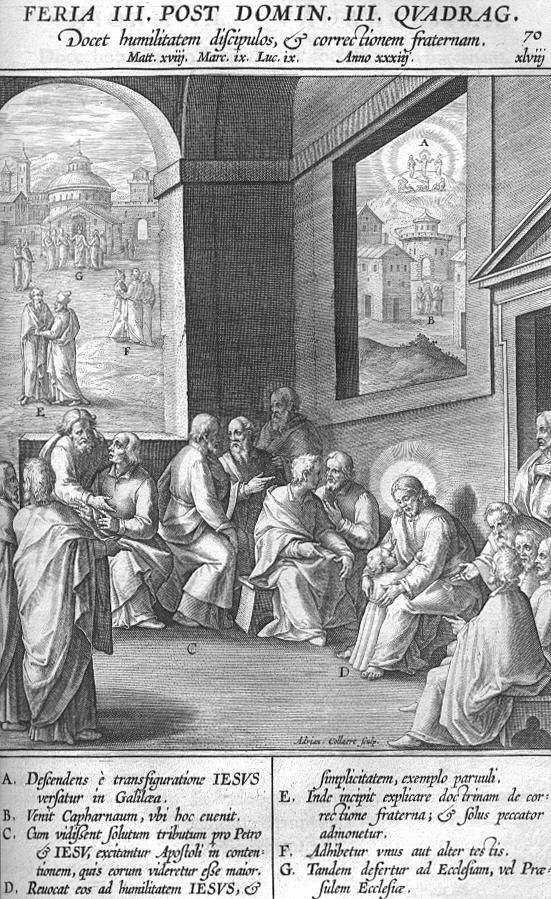
2 Kings 4:1-7 |
Matt 18:15-22 |
| Wednesday after Third Sunday of Lent |
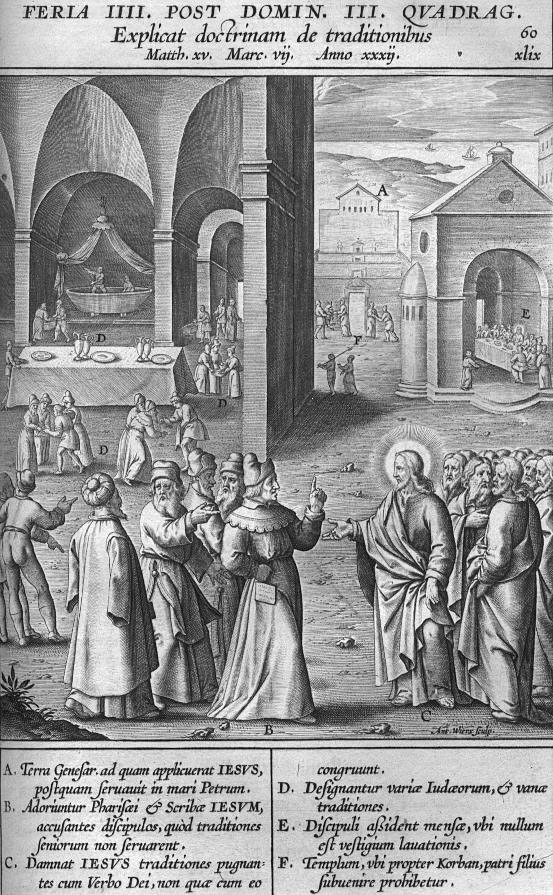
Exod 20:12-24 |
Matt 15:1-20 |
| Thursday after Third Sunday of Lent |
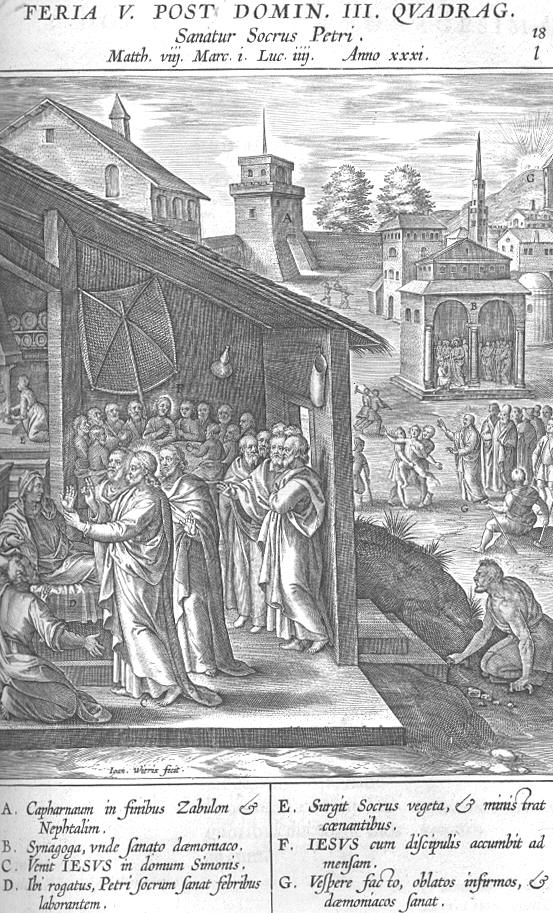
Jer 7:1-7 |
Luke 4:38-44 |
| Friday after Third Sunday of Lent |
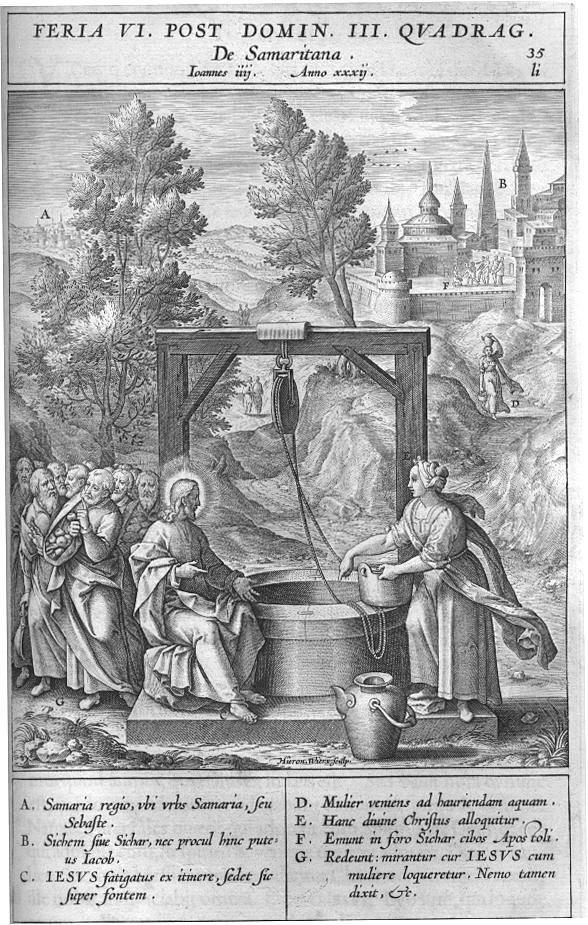
Num 20:1-3, 6-13 |
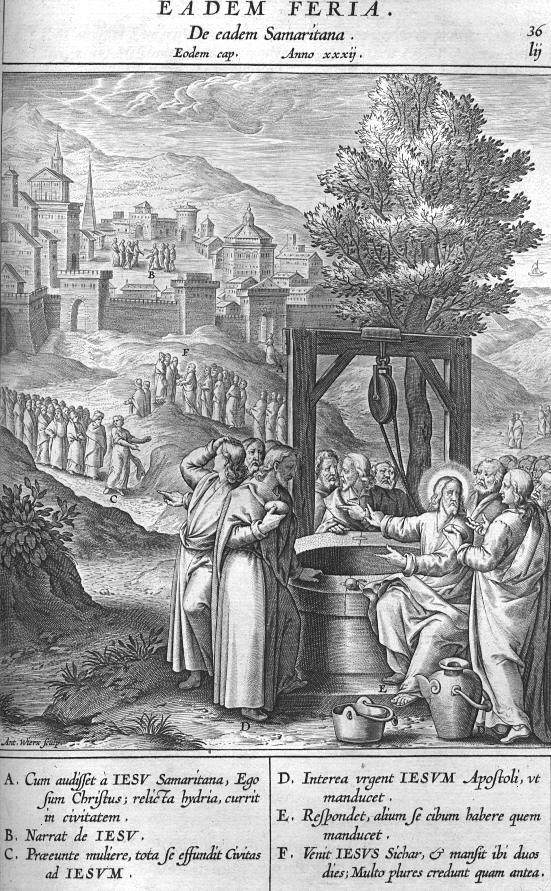
John 4:5-42 - second plate |
| Saturday after Third Sunday of Lent |
Dan 13:1-9, 15-17, 19-30, 33-62 |
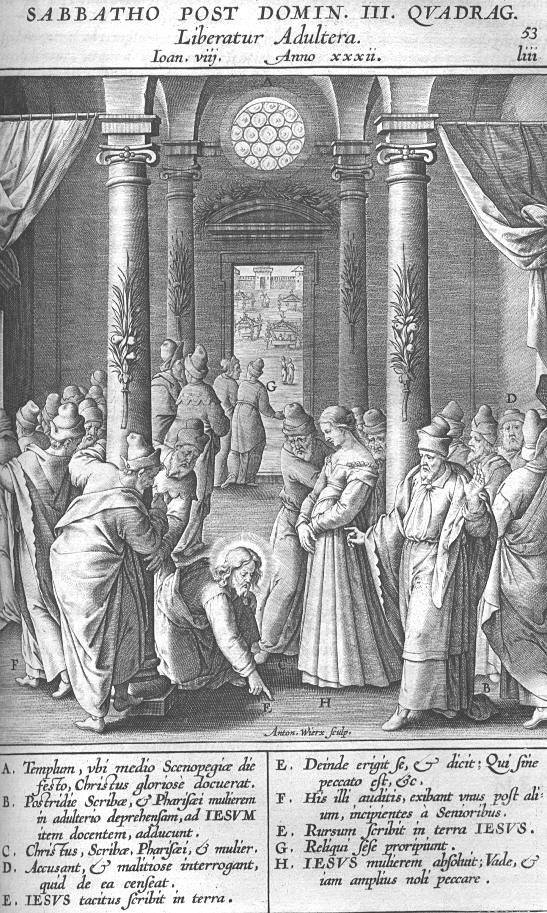
John 8:1-11 |
| Fourth Sunday in Lent |
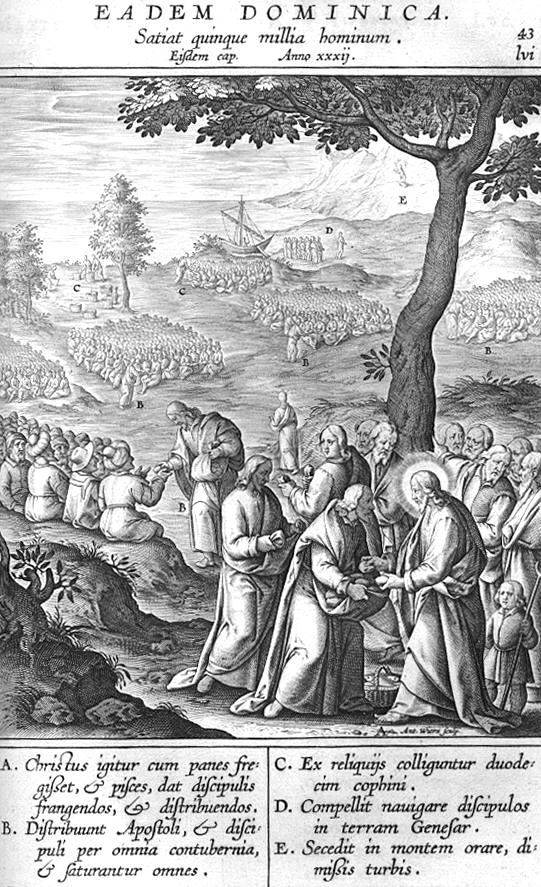
Gal 4:22-31 |
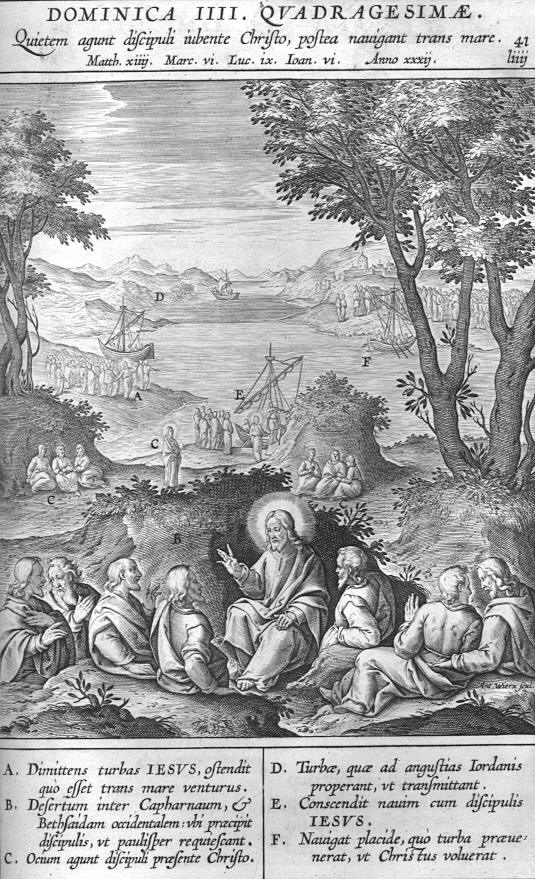
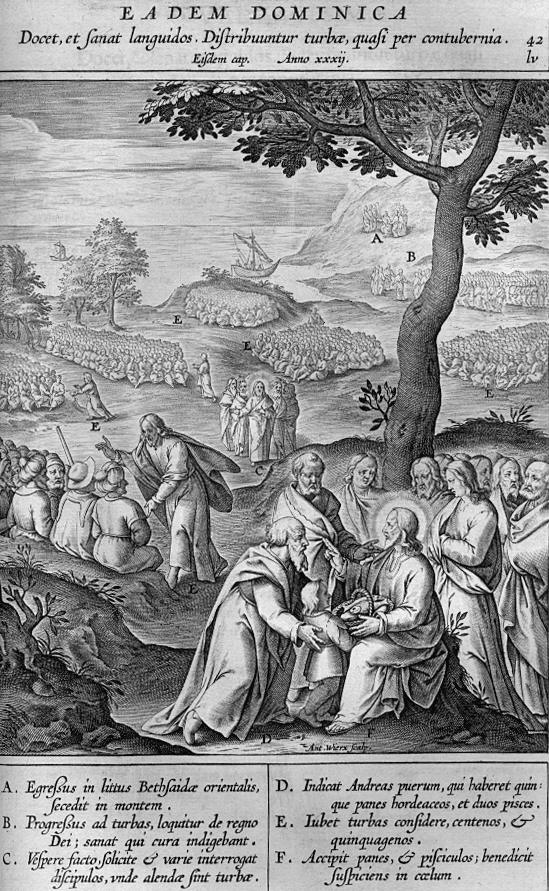
John 6:1-15 - 2nd plate - 3rd plate |
| Monday after Fourth Sunday of Lent |
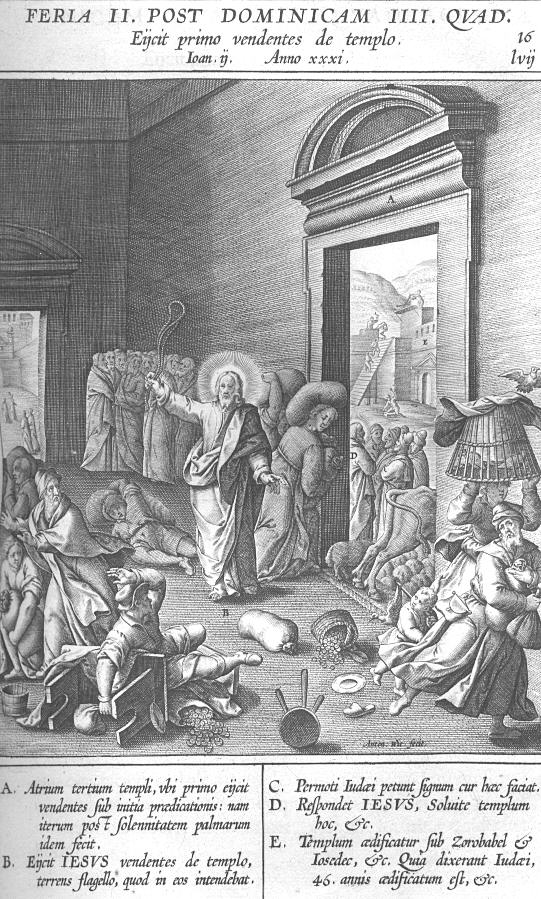
2 Sam 3:16-28 |
John 2:13-25 |
| Tuesday after Fourth Sunday of Lent |
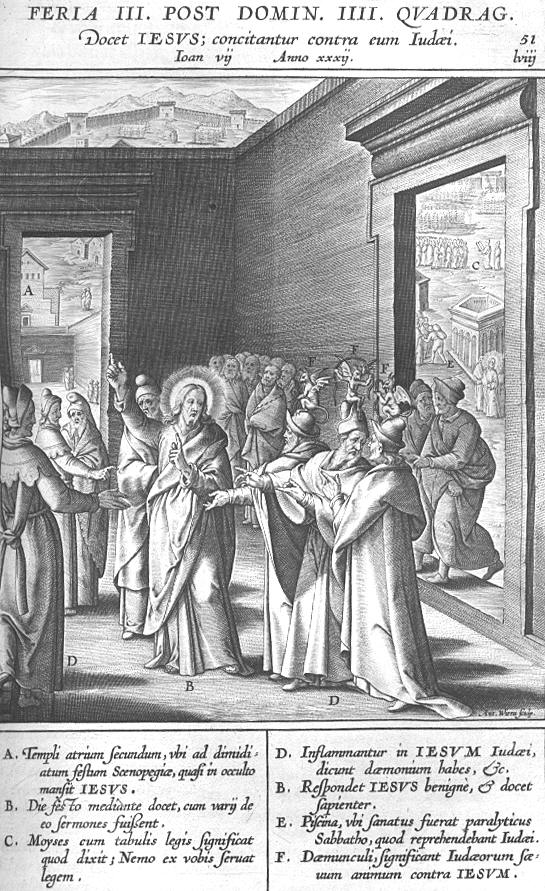
Exod 32:7-14 |
John 7:14-31 |
| Wednesday after Fourth Sunday of Lent |
Ezek 36:23-28 & Isa 1:16-19 |
John 9:1-38 |
| Thursday after Fourth Sunday of Lent |
2 Kings 4:25-38 |
Luke 7:11-16 |
| Friday after Fourth Sunday of Lent |
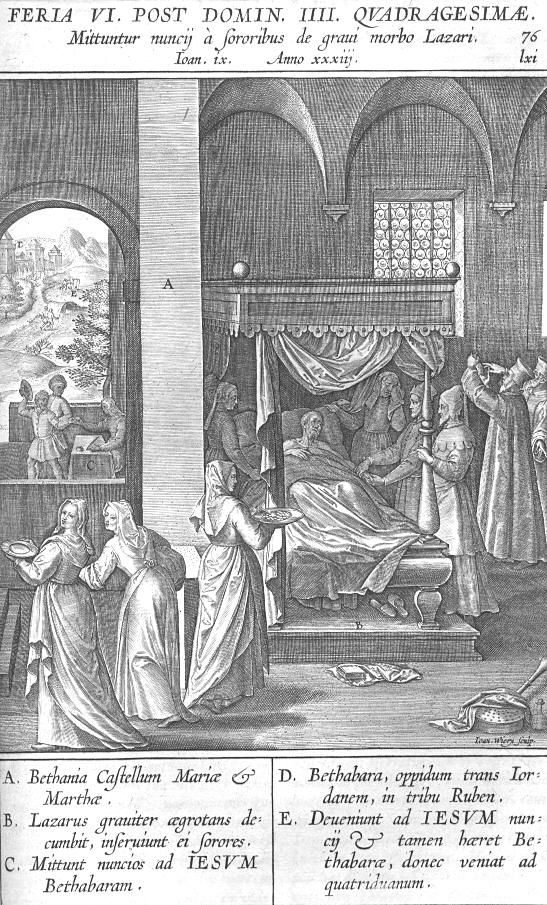
1 Kings 17:17-24 |
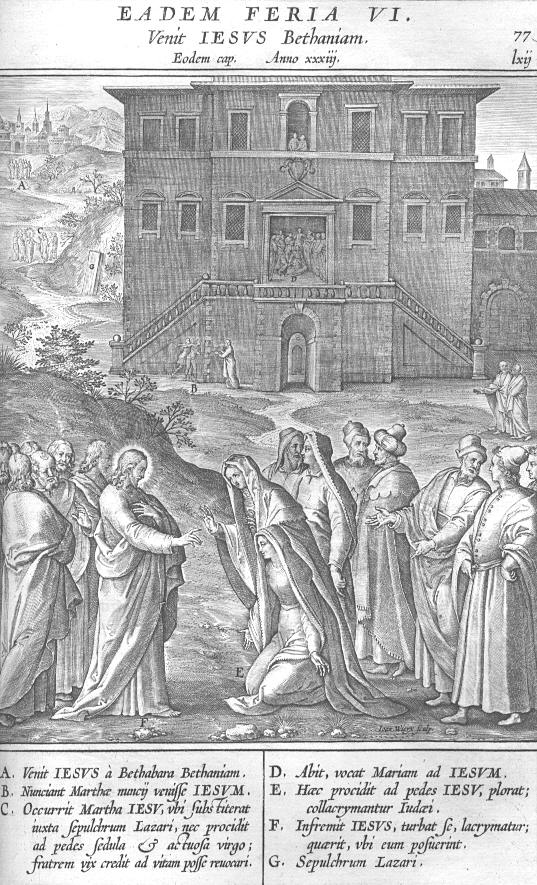
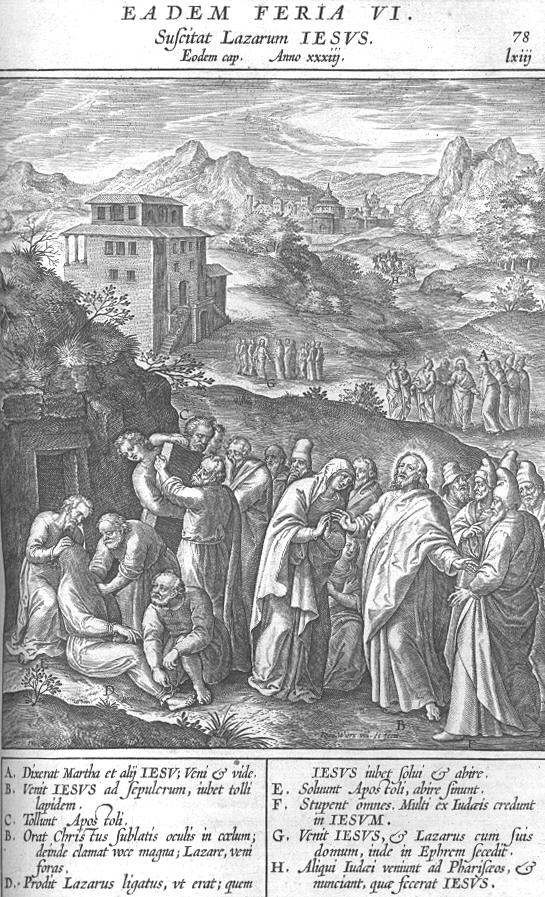
John 11:1-45 - 2nd plate - 3rd plate |
| Saturday after Fourth Sunday of Lent |
Isa 49:8-15 |
John 8:12-20 |
| Passion Sunday I |
Heb 9:11-15 |
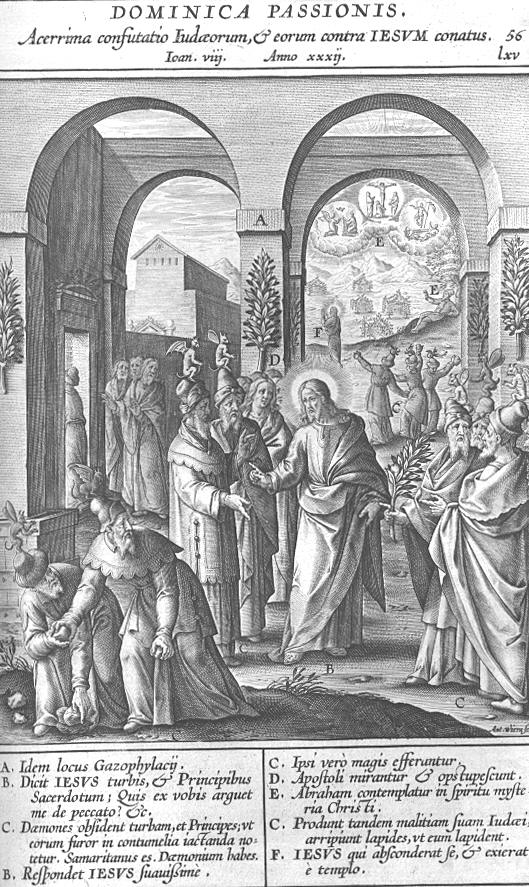
John 8:46-59 |
| Monday after Passion Sunday |
Jonah 3:1-10 |
John 7:32-39 |
| Tuesday after Passion Sunday |
Dan 14:27, 28-42 |
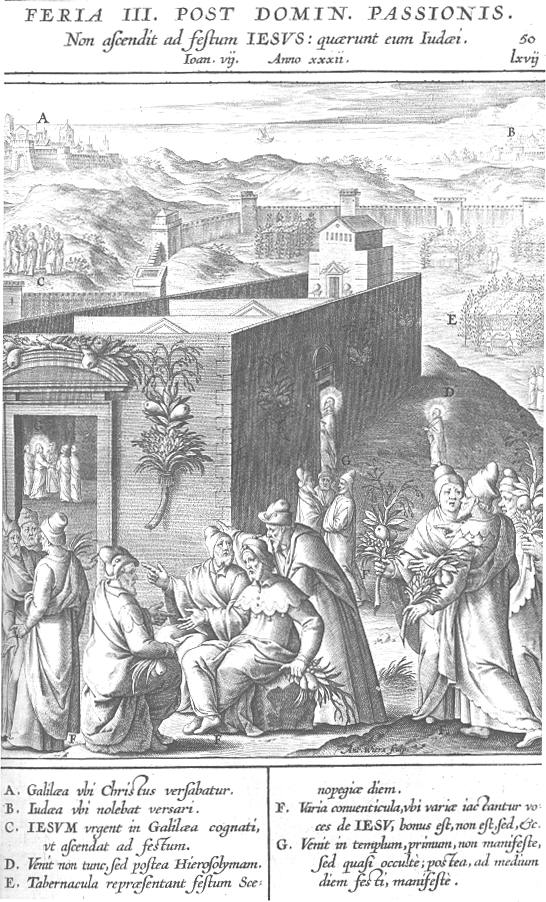
John 7:1-13 |
| Wednesday after Passion Sunday |
Lev 19:1-2, 11-19, 25 |
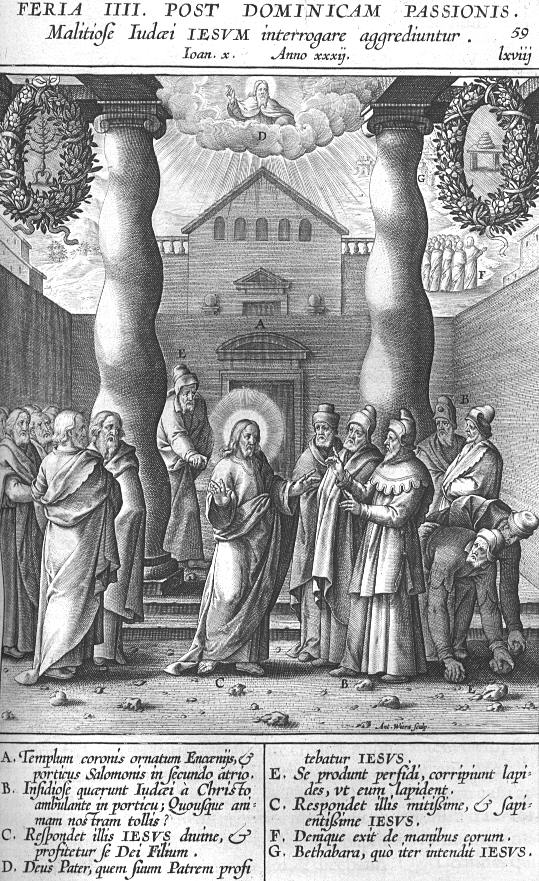
John 10:22-38 |
| Thursday after Passion Sunday |
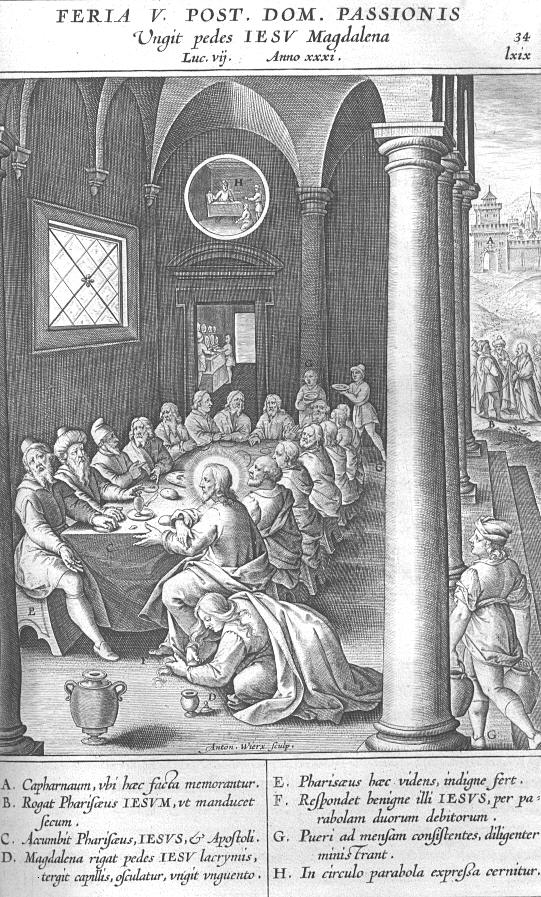
Dan 3:25, 34-45 |
Luke 7:36-50 |
| Friday after Passion Sunday |
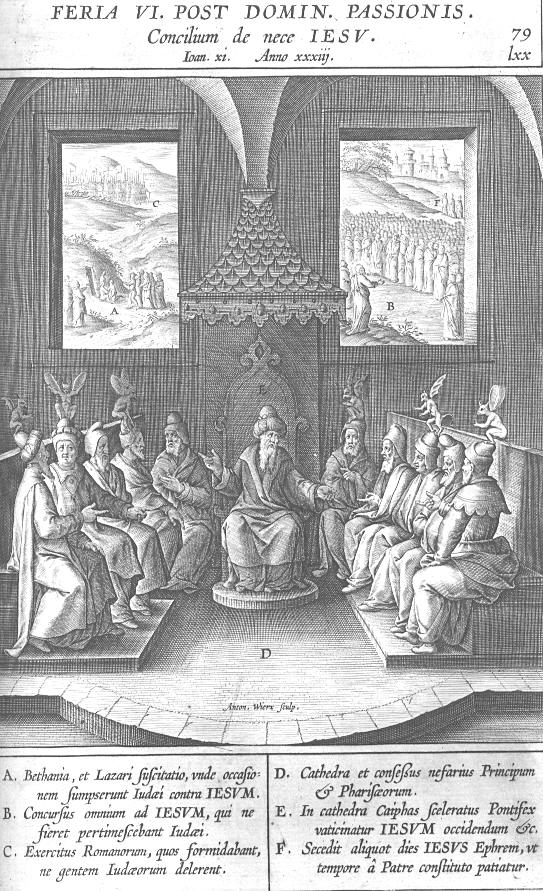
Jer 17:13-18 |
John 11:47-54 |
| Saturday after Passion Sunday |
Jer 18:18-23 |
John 12:10-36 |
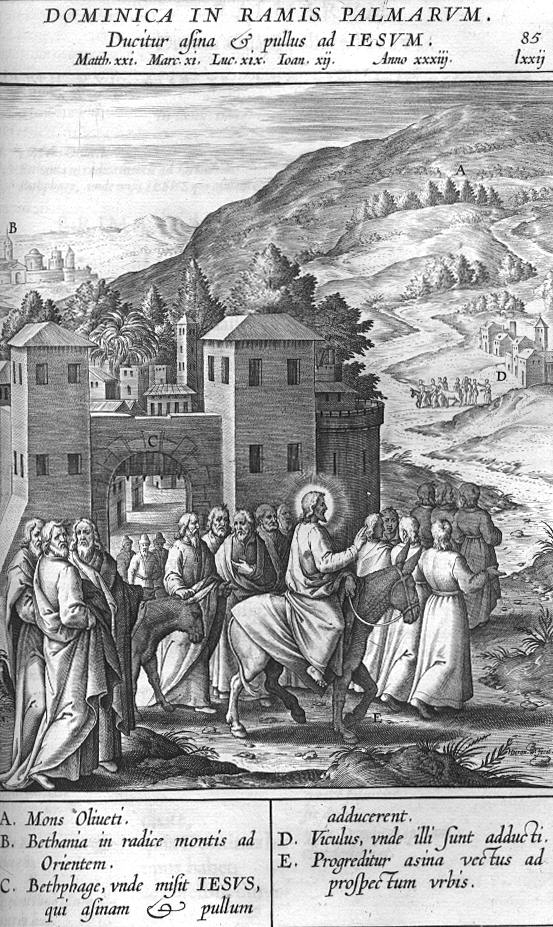
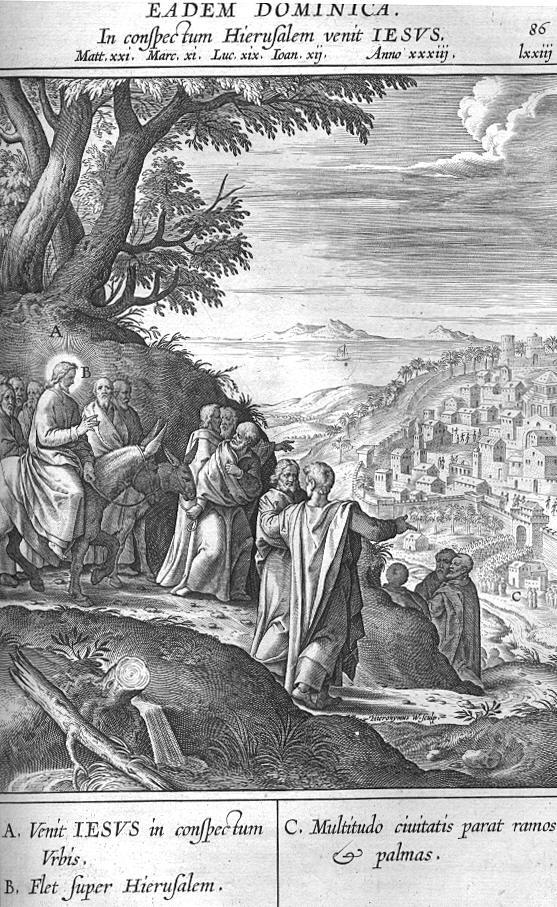
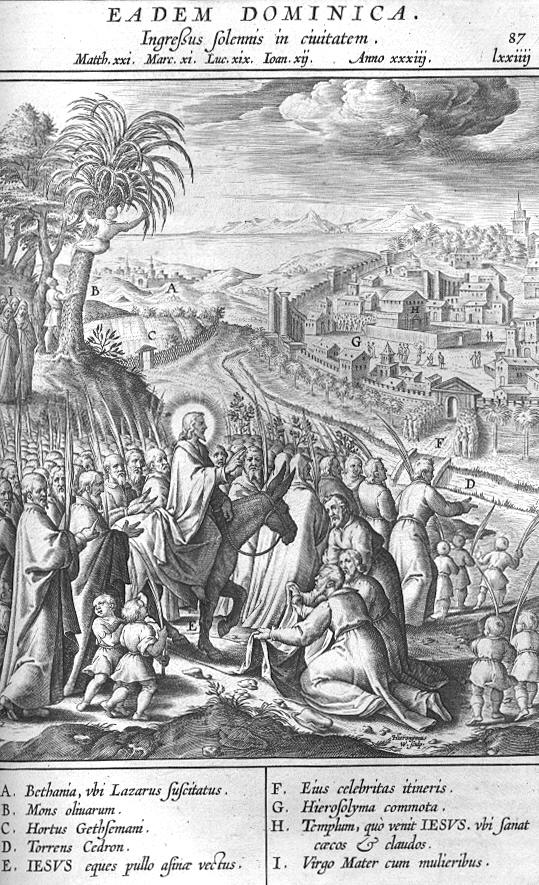
| Palm Sunday (or Passion Sunday II) |
Exod 15:27; 16:1-7;
Phil 2:5-11 |
Matt 21:1-9 - 2nd
plate - 3rd plate
& Matt 26:1-75; 27:1-66 |
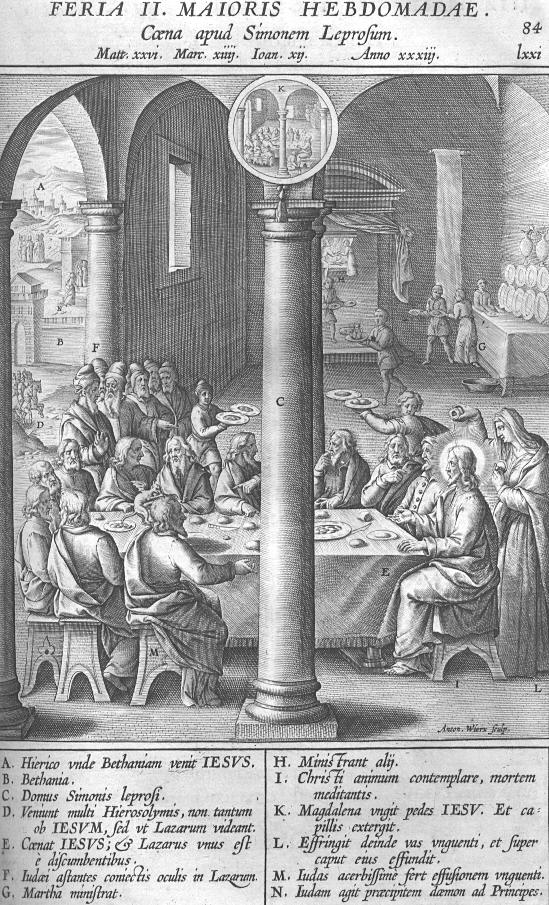
| Monday of Holy Week |
Isa 50:5-10 |
John 12:1-9 |
| Tuesday of Holy Week |
Jer 11:18-20 |
Mark 14:1-72; 15:1-46 |
| Wednesday of Holy Week |
Isa 62:11; 63:1-7 & Isa 53:1-12 |
Luke 22:1-71; 23:1-53 |
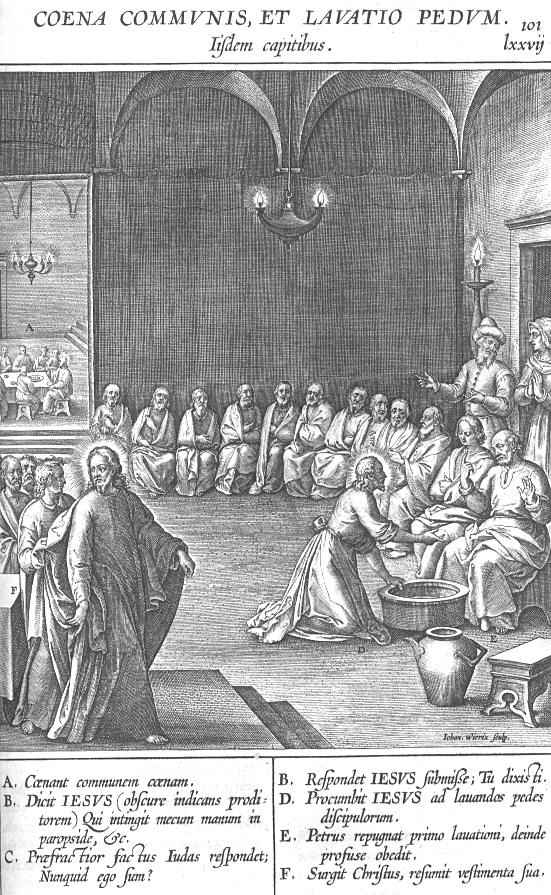
| Holy Thursday - The Lord's Supper |
1 Cor 11:20-32 |
John 13:1-15 - second plate |
| Good Friday - The Crucifixion |
Hosea 6:1-6 & Exod 12:1-11 |
John 18:1-40; 19:1-42 |
Holy Saturday - Easter VigilNote: In 1951, the number of OT readings at the Easter
Vigil was reduced from twelve to four, retaining only # 1, 4, 8 (v. 1 dropped),
and 11. Thus, only four readings were prescribed between 1951 and 1969:
1) Gen 1:1--2:2
2) Exod 14:24—15:1a
3) Isa 4:2-6
4) and Deut 31:22-30. |
1) Gen 1:1-31; 2:1-2
2) Gen 5:32—8:21 (excerpts; 48 vv.)
3) Gen 22:1-19
4) Exod 14:24-31; 15:1a
5) Isa 54:17; 55:1-11
6) Baruch 3:9-38
7) Ezek 37:1-14
8) Isa 4:1-6
9) Exod 12:1-11
10) Jonah 3:1-10
11) Deut 31:22-30
12) Dan 3:1-24
NT: Col 3:1-4 |
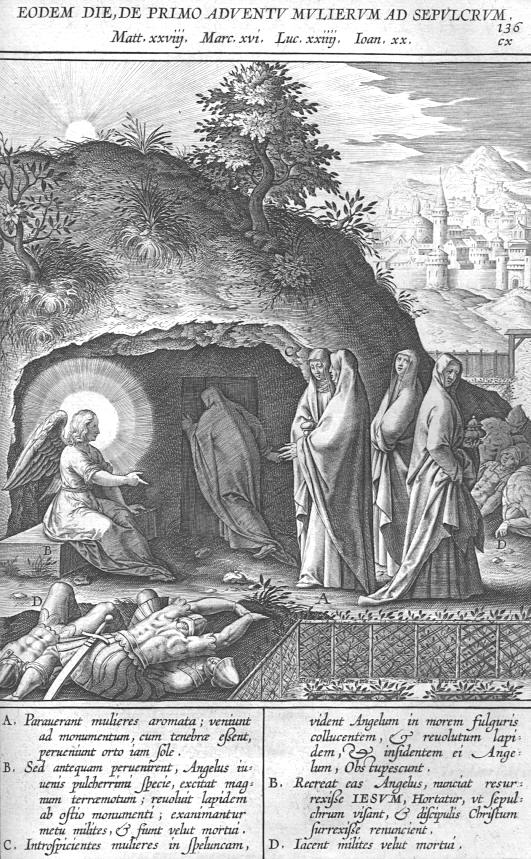
Matt 28:1-7 - more
plates |
| DAY |
FIRST READING |
GOSPEL READING |
| Easter Sunday - The Resurrection of the Lord |
1 Cor 5:7-8 |
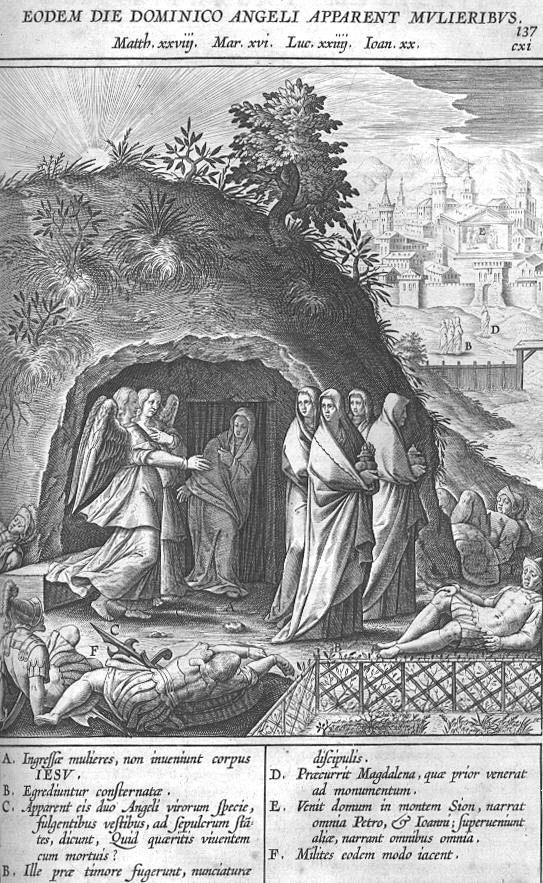
Mark 16:1-7 - more
plates |
| Monday in Octave of Easter |
Acts 10:37-43 |
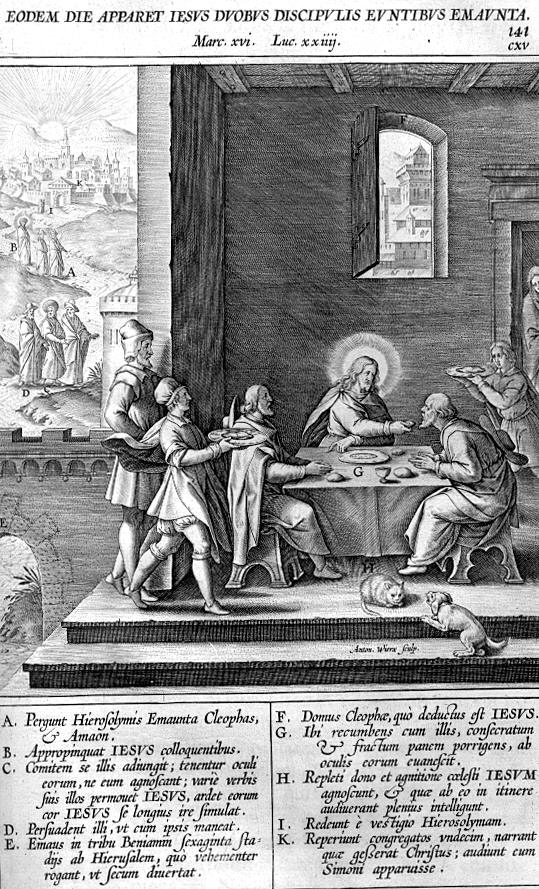
Luke 24:13-35 |
| Tuesday in Octave of Easter |
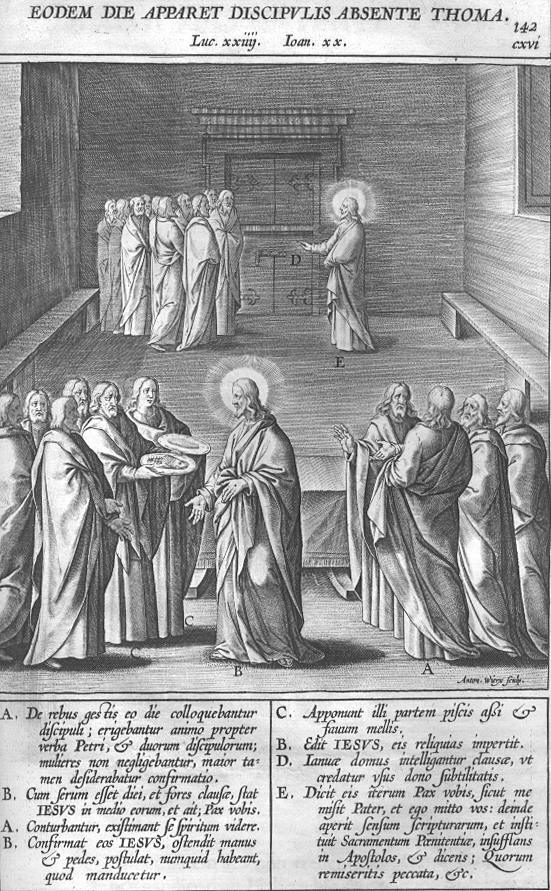
Acts 13:16, 26-33 |
Luke 24:36-47 |
| Wednesday in Octave of Easter |
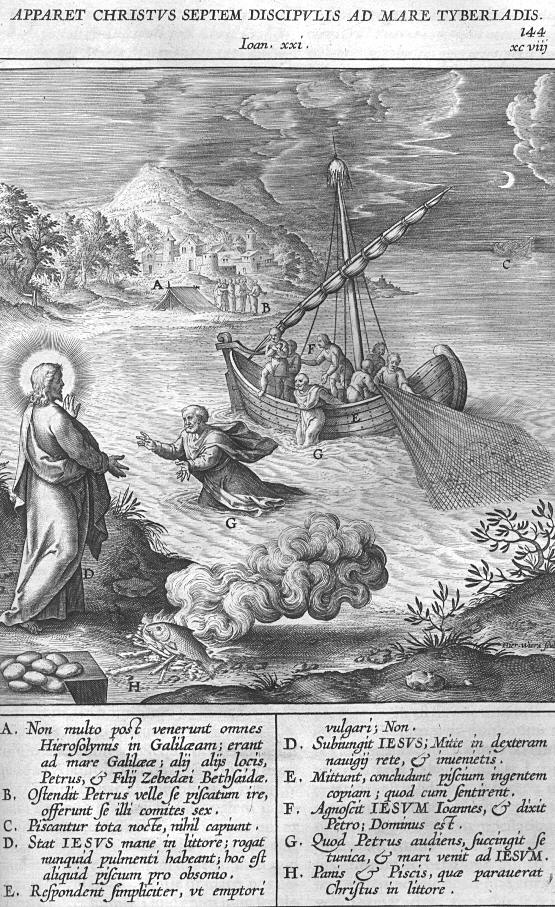
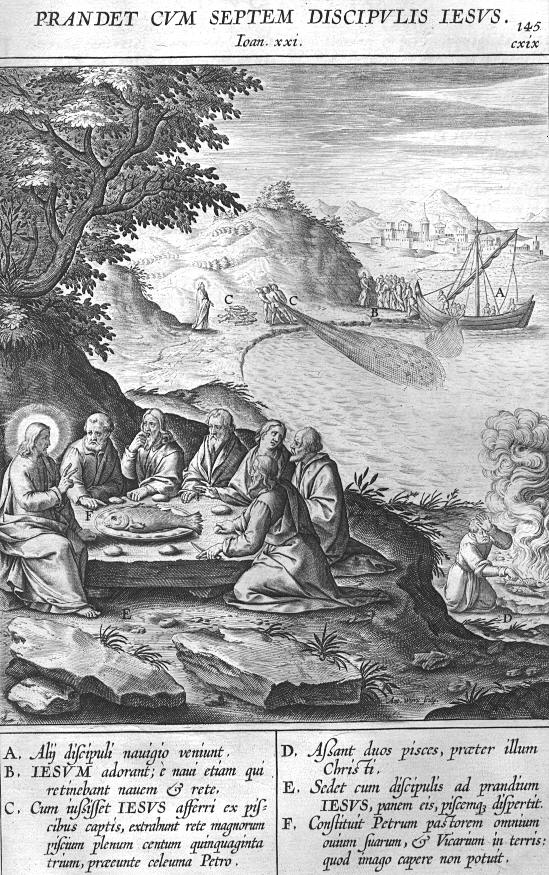
Acts 3:13-15, 17-19 |
John 21:1-14 - second plate |
| Thursday in Octave of Easter |
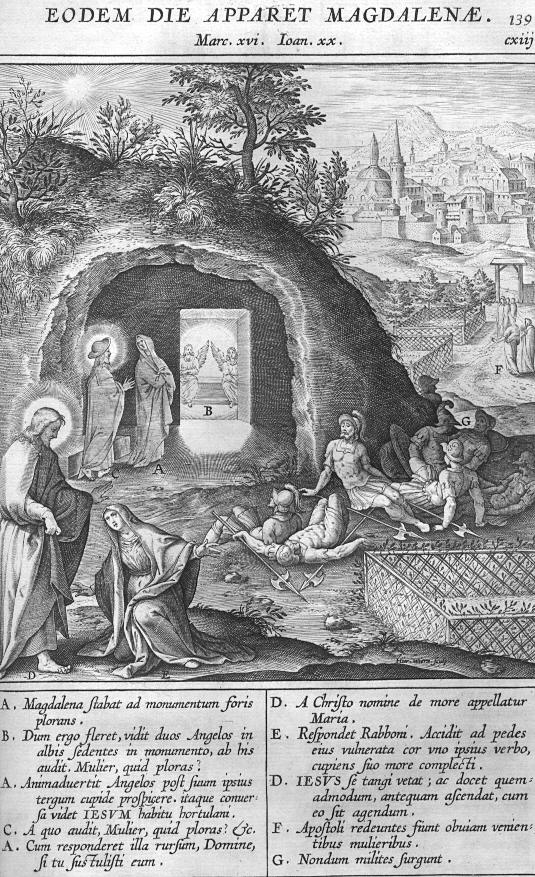
Acts 8:26-40 |
John 20:11-18 |
| Friday in Octave of Easter |
1 Pet 3:18-22 |
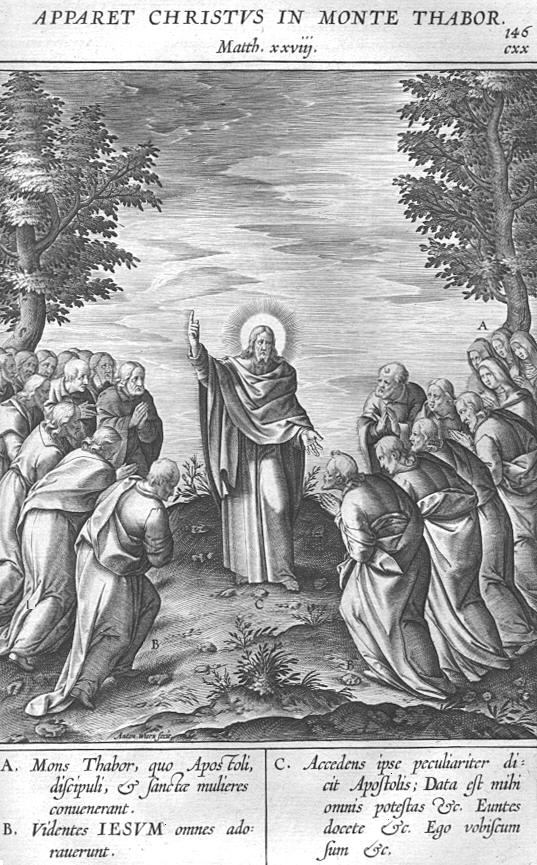
Matt 28:16-20 |
| White Saturday (in Octave of Easter) |
1 Pet 2:1-10 |
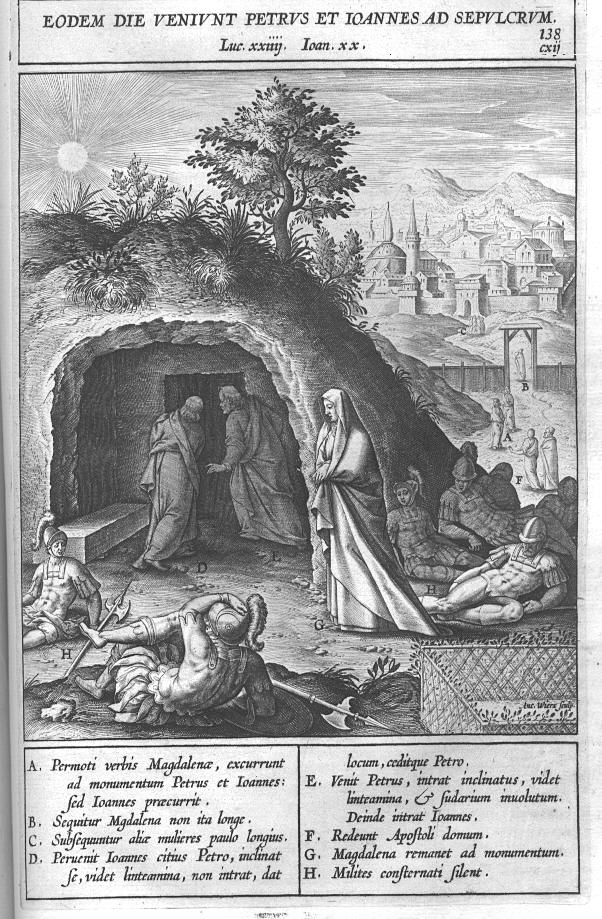
John 20:1-9 |
| Low Sunday or White Sunday (Octave of Easter) |
1 John 5:4-10 |
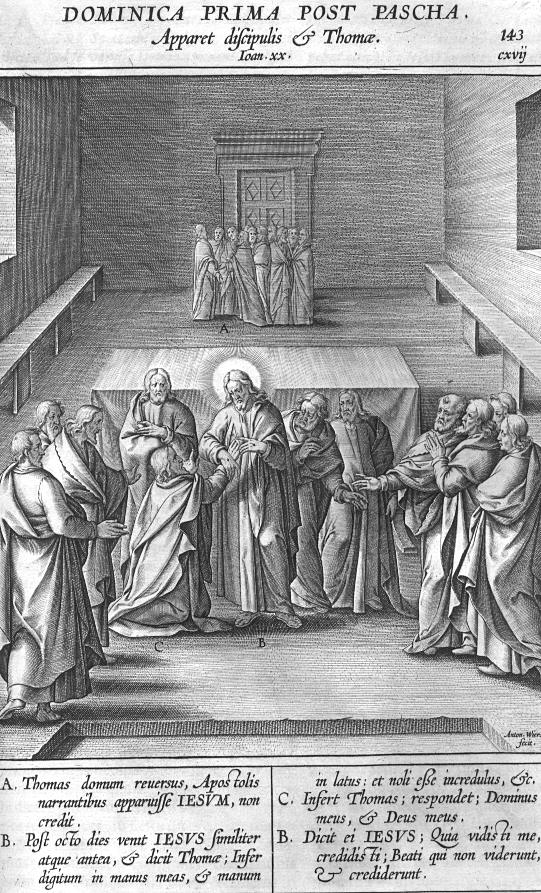
John 20:19-31 |
| Second Sunday after Easter |
1 Pet 2:21-25 |
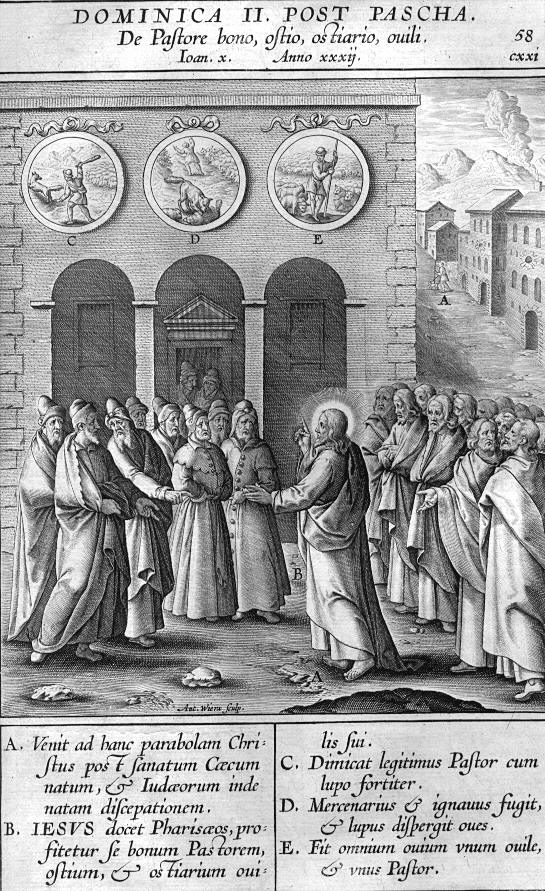
John 10:11-16 |
| Third Sunday after Easter |
1 Pet 2:11-19a |
John 16:16-22 |
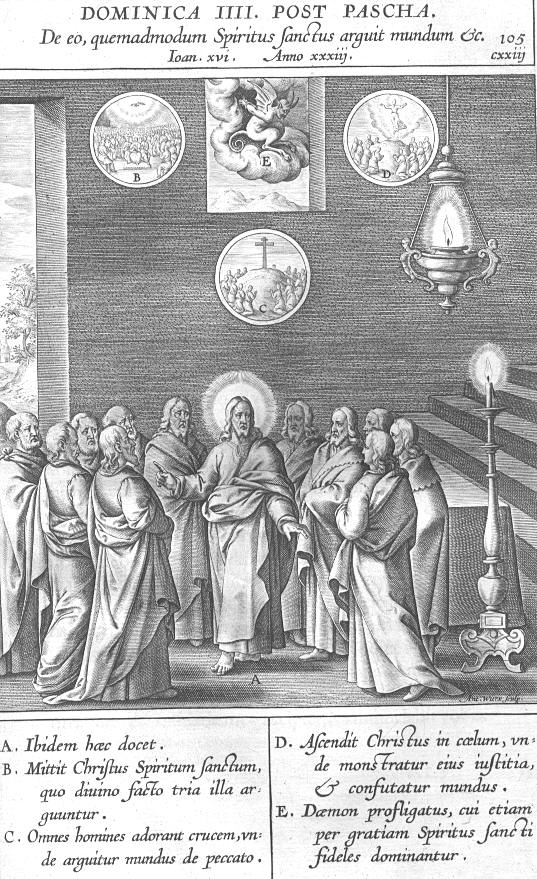
| Fourth Sunday after Easter |
James 1:17-21 |
John 16:5-14 |
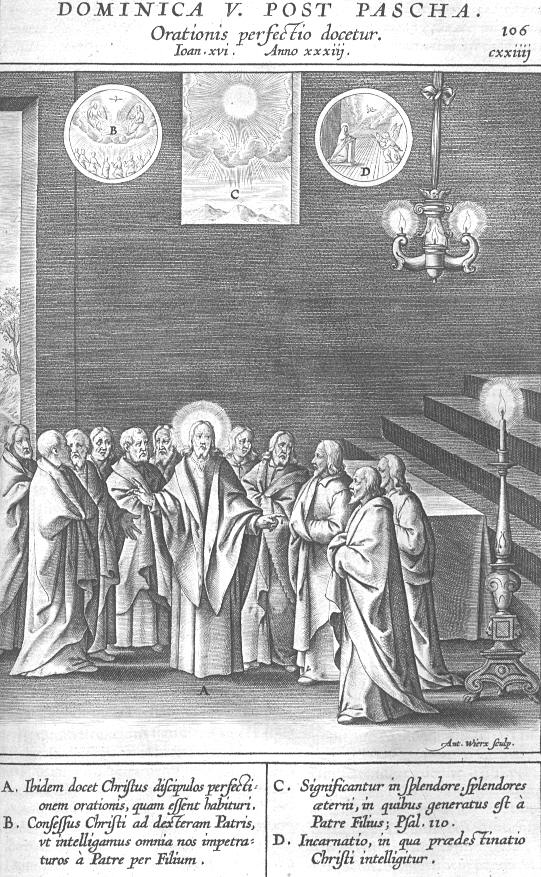
| Fifth Sunday after Easter |
James 1:22-27 |
John 16:23-30 |
| Rogation Days (Mon-Wed before Ascension) |
James 5:16-20 |
Luke 11:5-13 |
| Vigil of the Ascension |
Eph 4:7-13 |
John 17:1-11 |
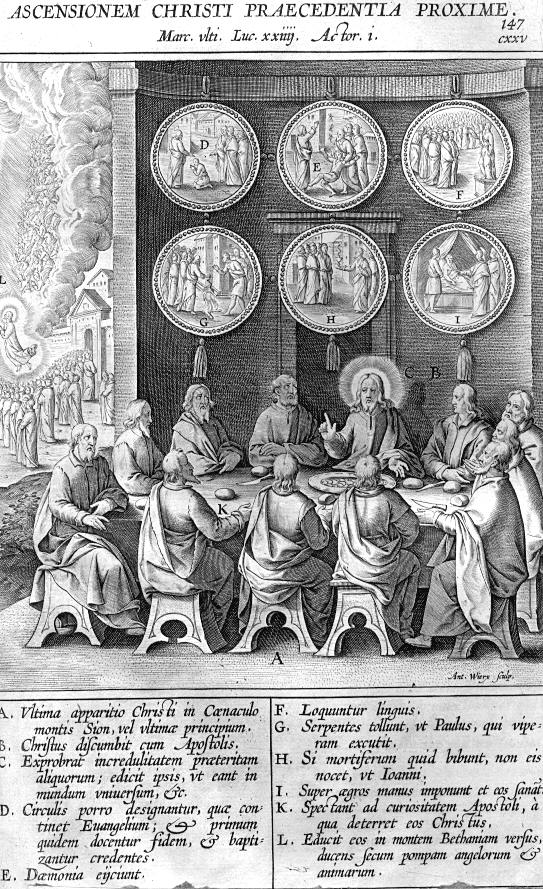
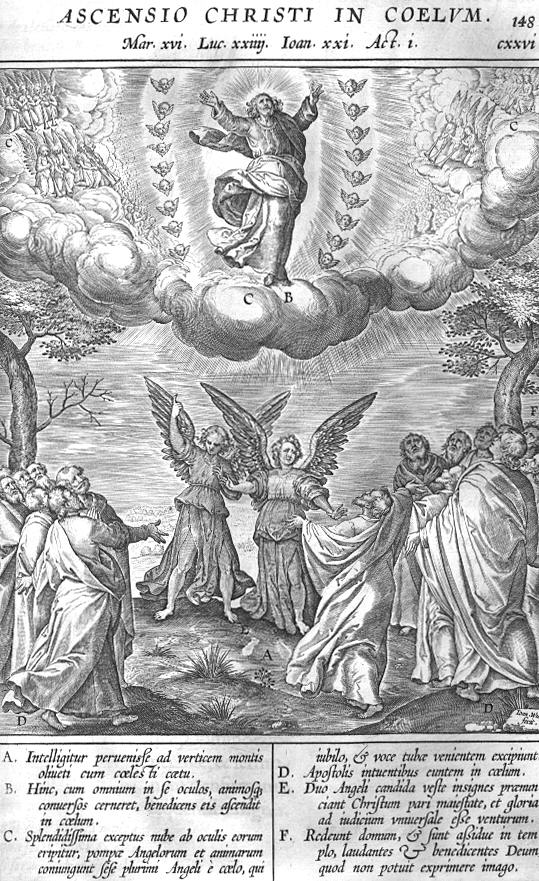
| Ascension of the Lord (Thursday) |
Acts 1:1-11 |
Mark 16:14-20 -
second plate |
| Sunday in the Octave of Ascension |
1 Pet 4:7b-11 |
John 15:26-27; 16:1-4 |
| Saturday Vigil of Pentecost |
1) Gen 22:1-19
2) Exod 14:24-31; 15:1
3) Deut 31:22-30
4) Isa 4:1-6
5) Baruch 3:9-38
6) Ezek 37:1-14
NT: Acts 19:1-8 |
John 14:15-21 |
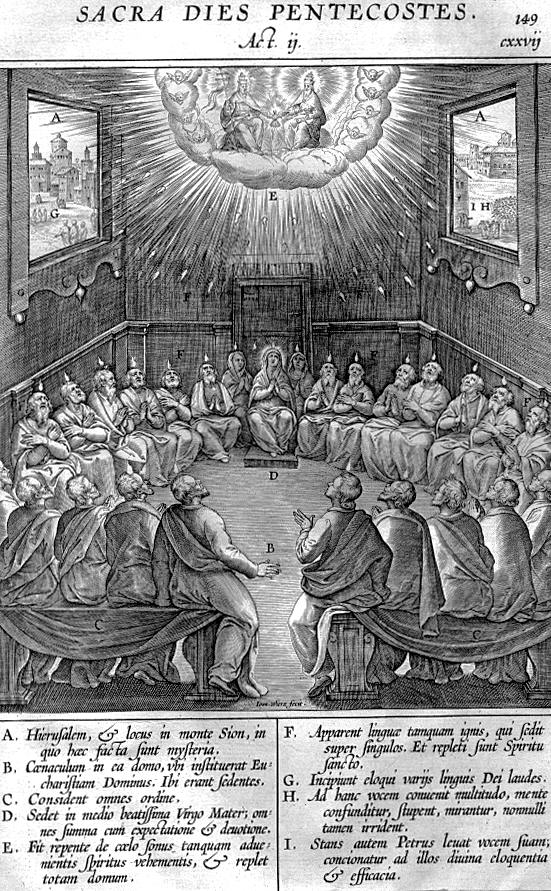
| Pentecost Sunday |
Acts 2:1-11 |
John 14:23-31 |
| Monday in Octave of Pentecost |
Acts 10:34, 42-48 |
John 3:16-21 |
| Tuesday in Octave of Pentecost |
Acts 8:14-17 |
John 10:1-10 |
| Ember Wednesday of Pentecost |
Acts 2:14-21 & Acts 5:12-16 |
John 6:44-52 |
| Thursday in Octave of Pentecost |
Acts 8:5-8 |
Luke 9:1-6 |
| Ember Friday of Pentecost |
Joel 2:23-24, 26-27 |
Luke 5:17-26 |
| Ember Saturday of Pentecost |
Joel 2:28-32; Lev 23:9-11, 15-17, 21;
Deut 26:1-11; Lev 26:3-12;
Dan 3:47-51, 52-56; Rom 5:1-5 |
Luke 4:38-44 |
| Feast of the Most Holy Trinity (First Sunday after Pentecost) |
Rom 11:33-36 |
Matt 28:18-20 |
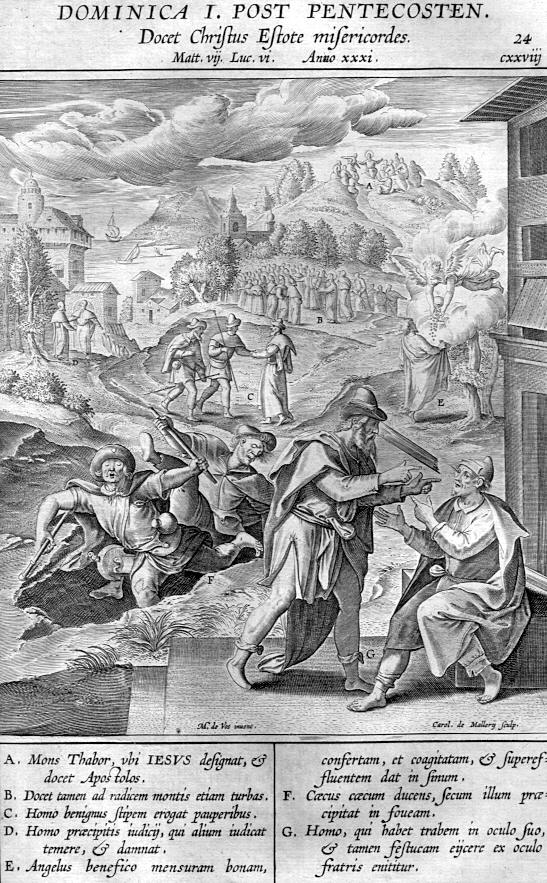
| Weekdays after First Sunday after Pentecost |
1 John 4:8-21 |
Luke 6:36-42 |
| Corpus Christi (Thursday after Trinity Sunday) |
1 Cor 11:23-29 |
John 6:56-59 |
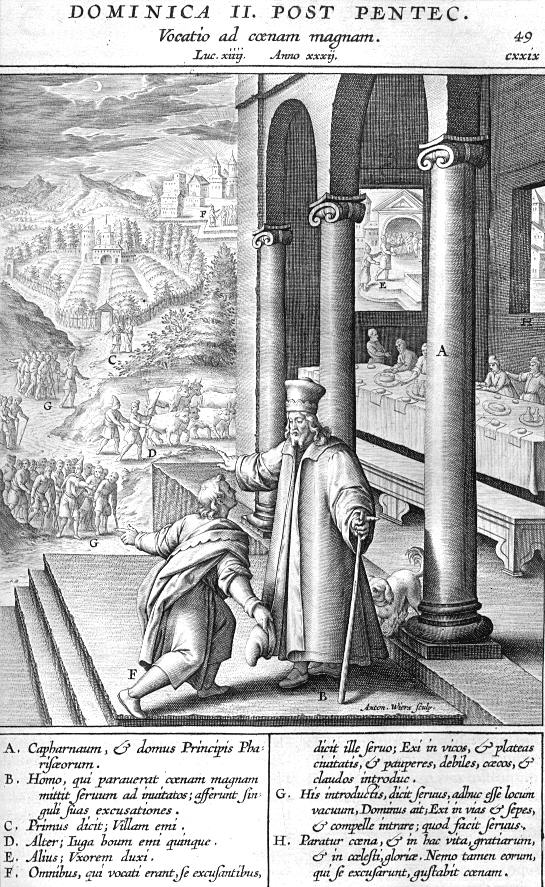
Sunday in the Octave of Corpus Christi
(Second Sunday after Pentecost) |
1 John 3:13-18 |
Luke 14:16-24 |
Sacred Heart of Jesus
(Friday after the Octave of Corpus Christi) |
Eph 3:8-12, 14-19 |
John 19:31-37 |
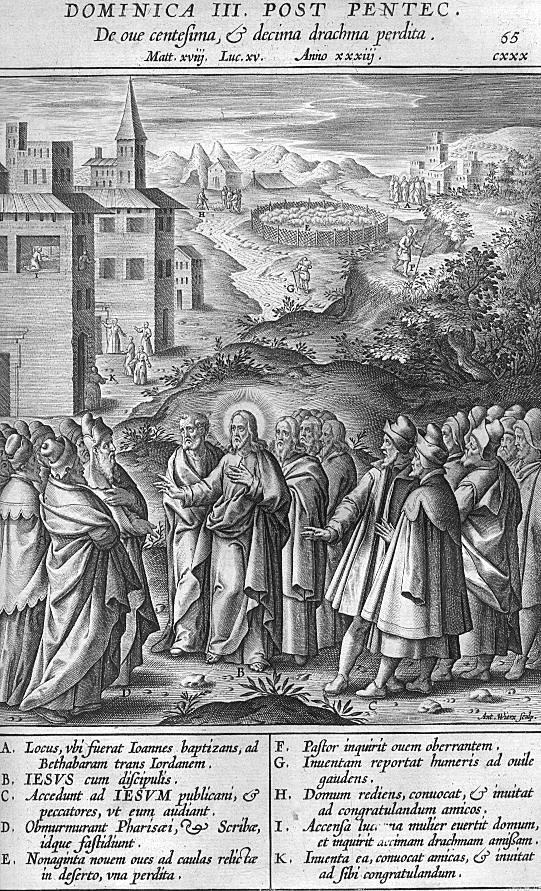
Sunday in the Octave of the Sacred Heart of Jesus
(Third Sunday after Pentecost) |
1 Pet 5:6-11 |
Luke 15:1-10 |
| Fourth Sunday after Pentecost |
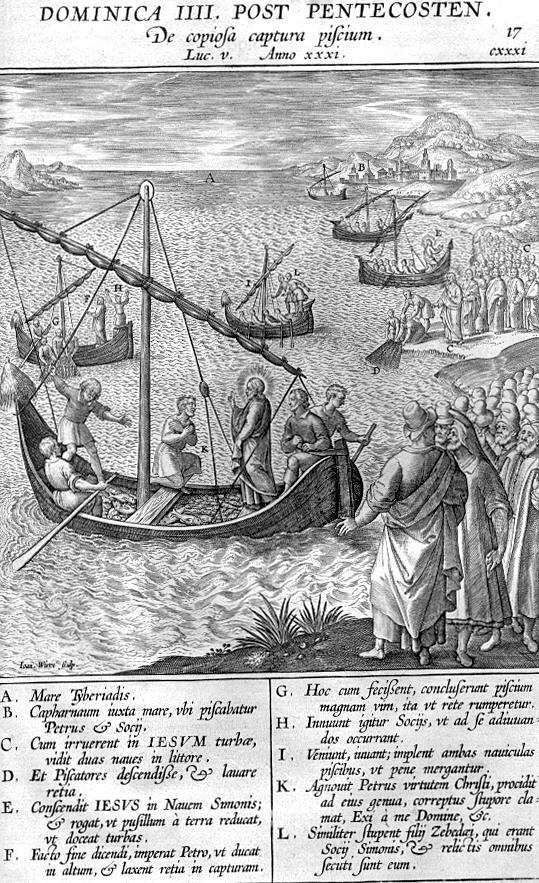
Rom 8:18-23 |
Luke 5:1-11 |
| Fifth Sunday after Pentecost |
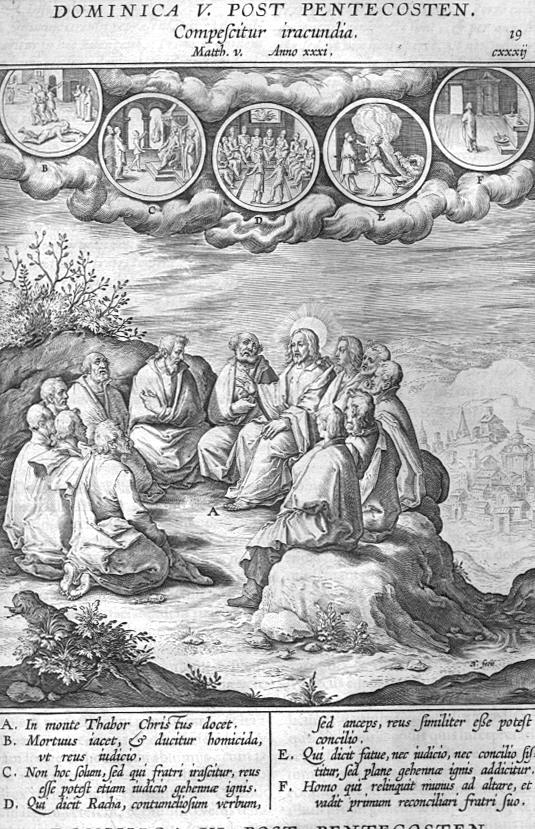
1 Pet 3:8-15a |
Matt 5:20-24 |
| Sixth Sunday after Pentecost |
Rom 6:3-11 |
Mark 8:1-9 - related plate |
| Seventh Sunday after Pentecost |
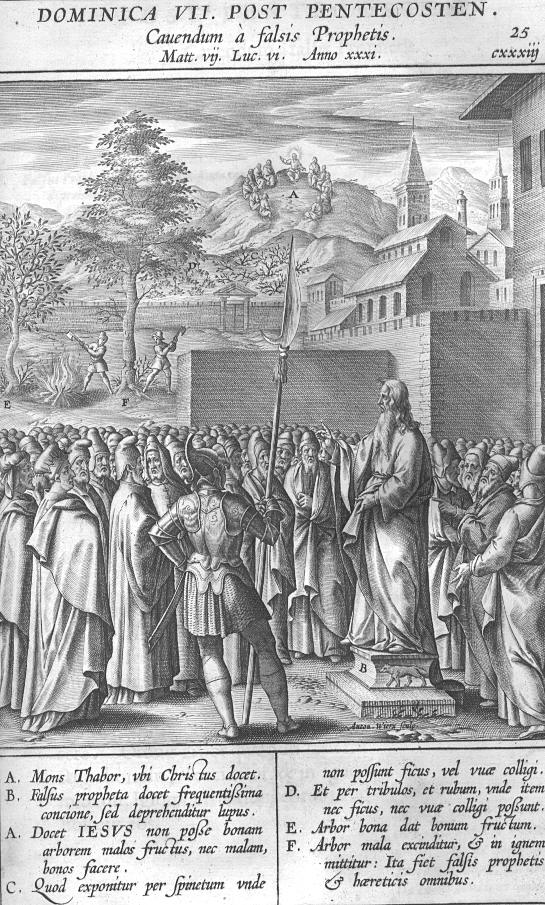
Rom 6:19-23 |
Matt 7:15-21 |
| Eighth Sunday after Pentecost |
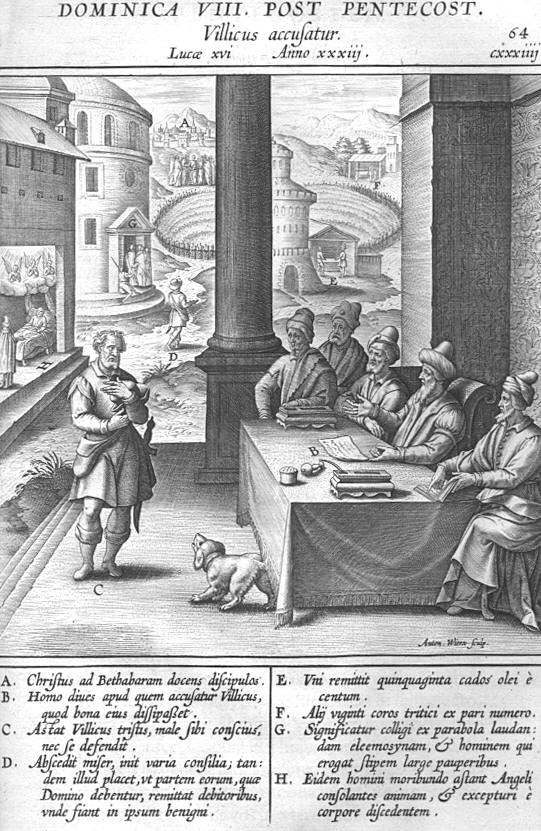
Rom 8:12-17 |
Luke 16:1-9 |
| Ninth Sunday after Pentecost |
1 Cor 10:6-13 |
Luke 19:41-47 - related plate |
| Tenth Sunday after Pentecost |
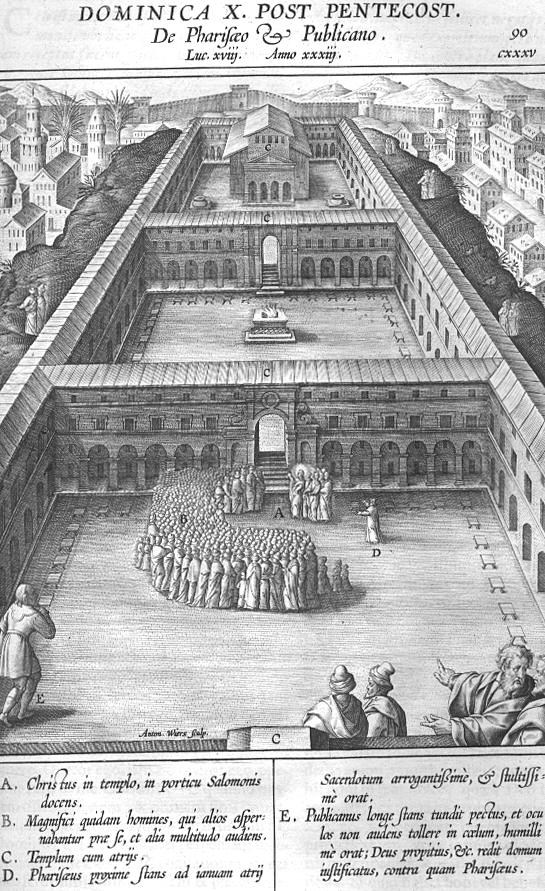
1 Cor 12:2-11 |
Luke 18:9-14 |
| Eleventh Sunday after Pentecost |
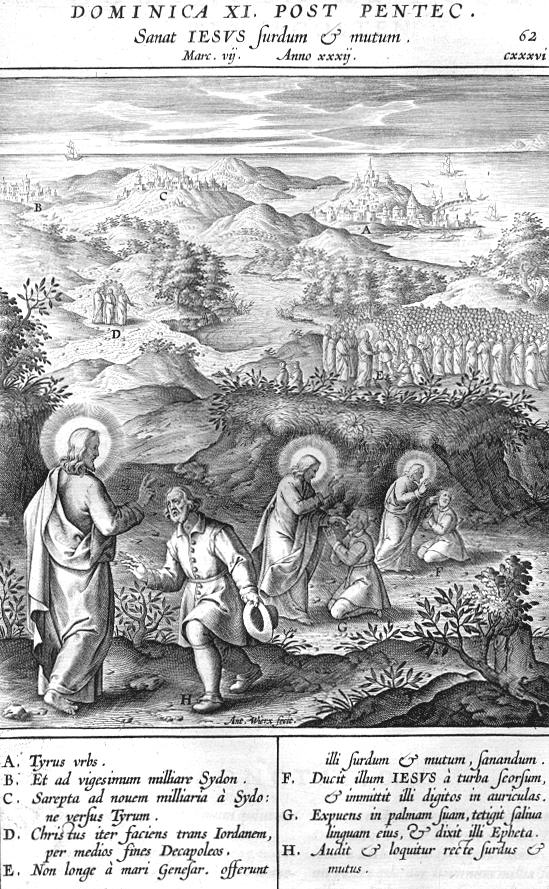
1 Cor 15:1-10 |
Mark 7:31-37 |
| Twelfth Sunday after Pentecost |
2 Cor 3:4-9 |
Luke 10:23-37 |
| Thirteenth Sunday after Pentecost |
Gal 3:16-22 |
Luke 17:11-19 |
| Fourteenth Sunday after Pentecost |
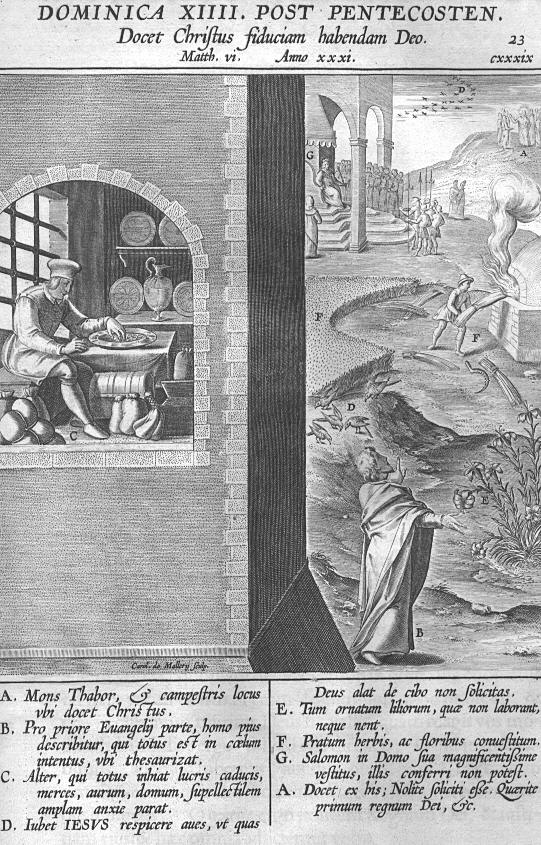
Gal 5:16-24 |
Matt 6:24-33 |
| Fifteenth Sunday after Pentecost |
Gal 5:25-26; 6:1-10 |
Luke 7:11-16 - related plate |
| Sixteenth Sunday after Pentecost |
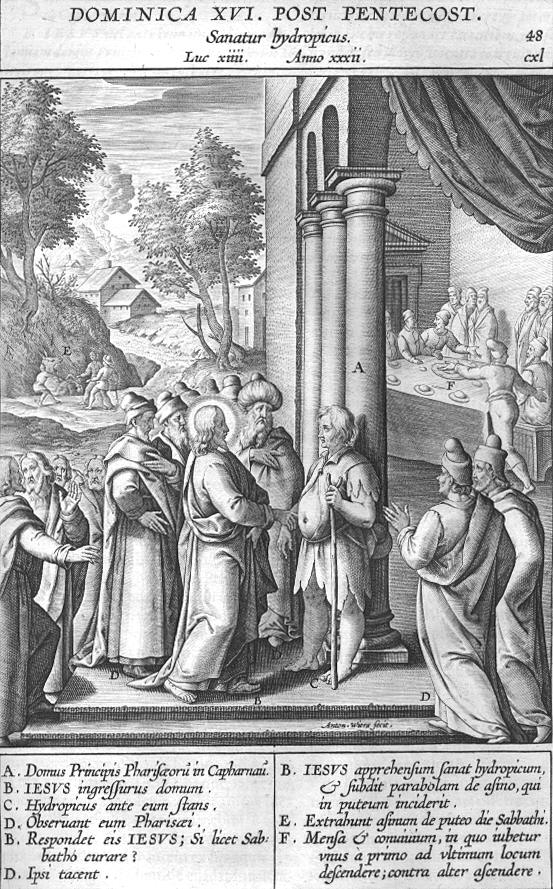
Eph 3:13-21 |
Luke 14:1-11 |
| Seventeenth Sunday after Pentecost |
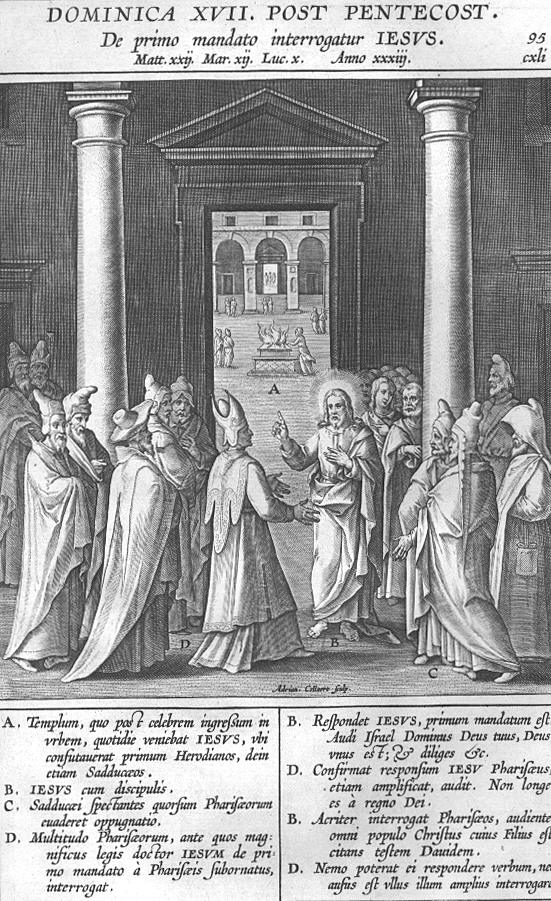
Eph 4:1-6 |
Matt 22:34b-46 |
| Ember Wednesday in September |
Amos 9:13-15 & Neh 8:1-10 |
Mark 9:16-28 |
| Ember Thursday in September |
Hosea 14:2-10 |
Luke 7:36-50 |
| Ember Saturday in September |
Lev 23:26-32; Lev 23:39-43;
Micah 7:14, 16, 18-20; Zech 8:14-19;
Dan 3:47-51, 52-56; Heb 9:2-12 |
Luke 13:6-17 |
| Eighteenth Sunday after Pentecost |
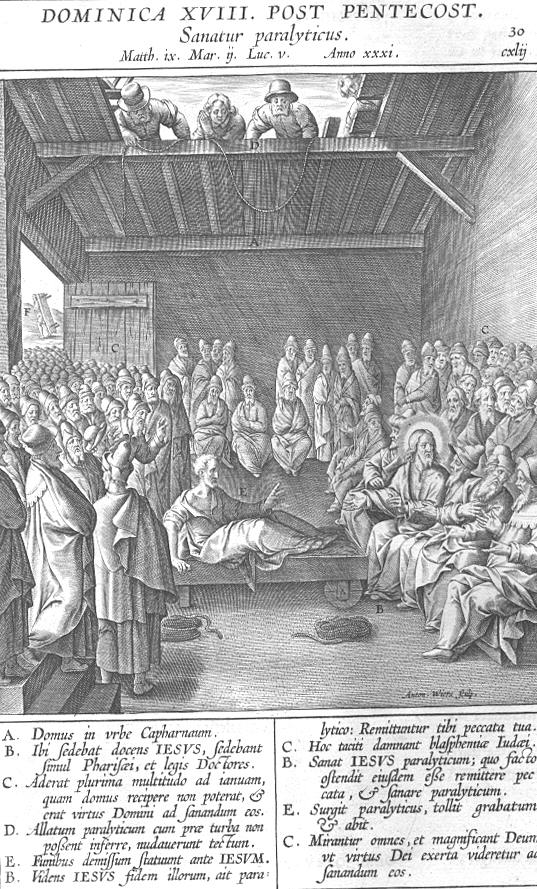
1 Cor 1:4-8 |
Matt 9:1-8 |
| Nineteenth Sunday after Pentecost |
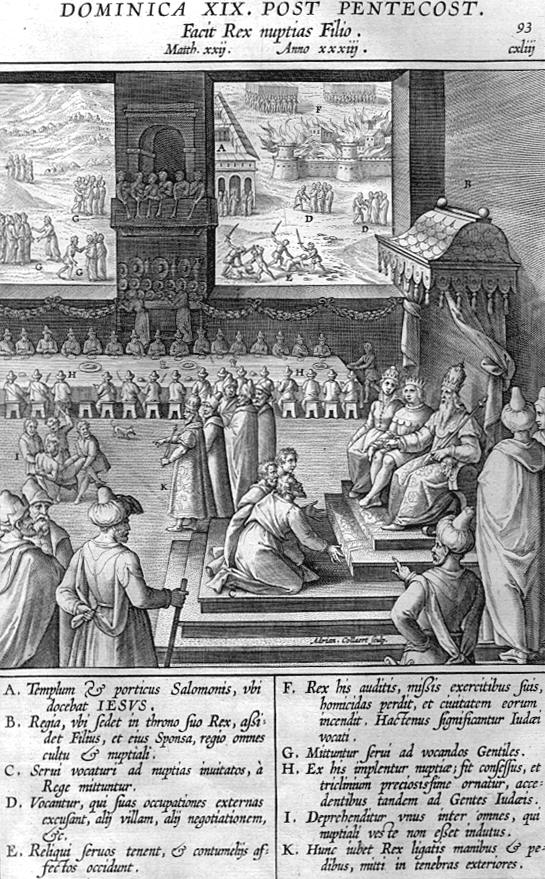
Eph 4:23-28 |
Matt 22:1-14 |
| Twentieth Sunday after Pentecost |
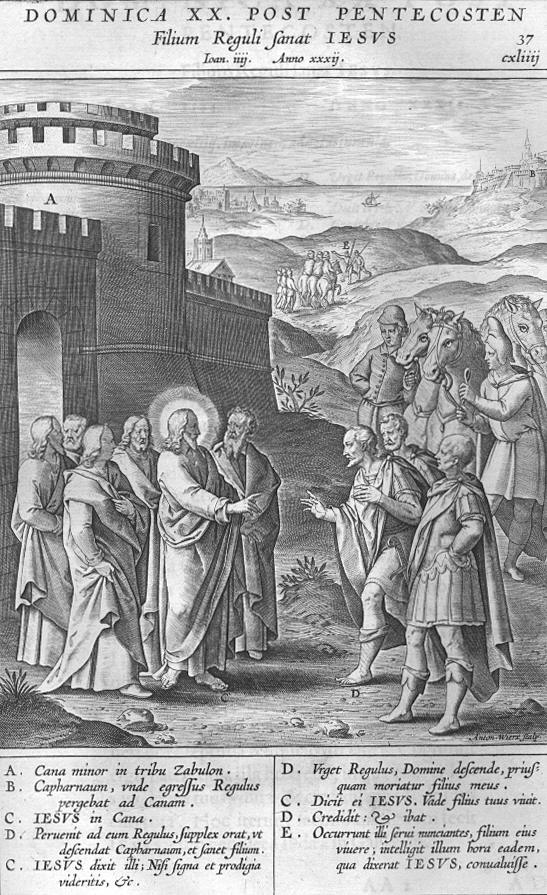
Eph 5:15-21 |
John 4:46b-53 |
| Twenty-first Sunday after Pentecost |
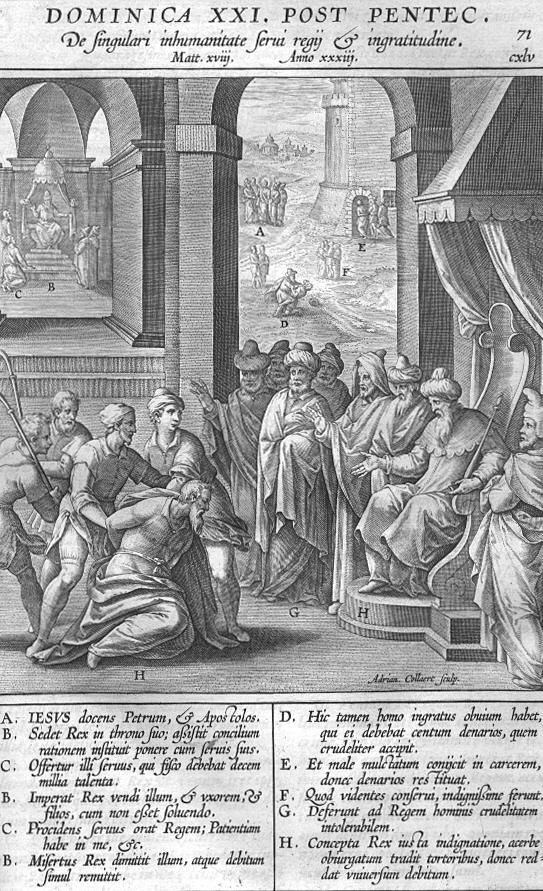
Eph 6:10-17 |
Matt 18:23-35 |
| Twenty-second Sunday after Pentecost |
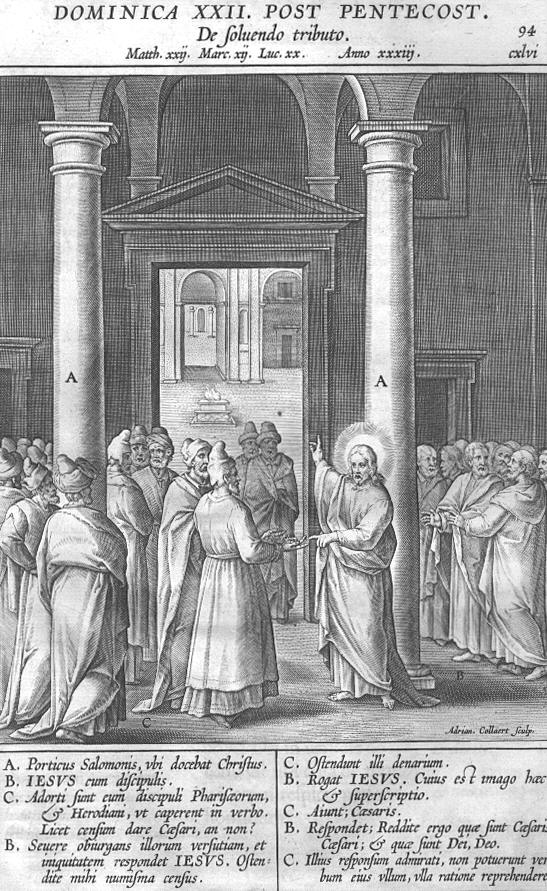
Phil 1:6-11 |
Matt 22:15-21 |
| Twenty-third Sunday after Pentecost |
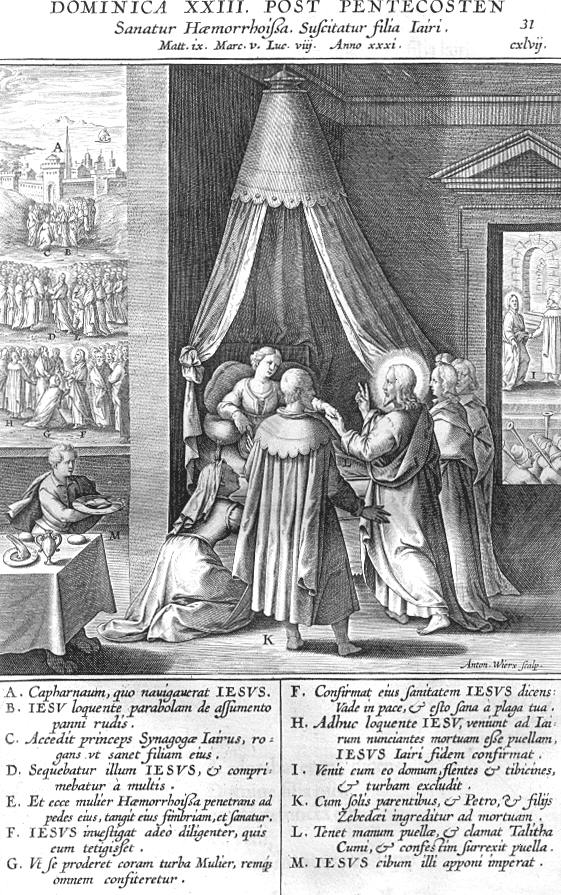
Phil 3:17-21; 4:1-3 |
Matt 9:18-26 |
| *Twenty-fourth & Last Sunday after Pentecost |
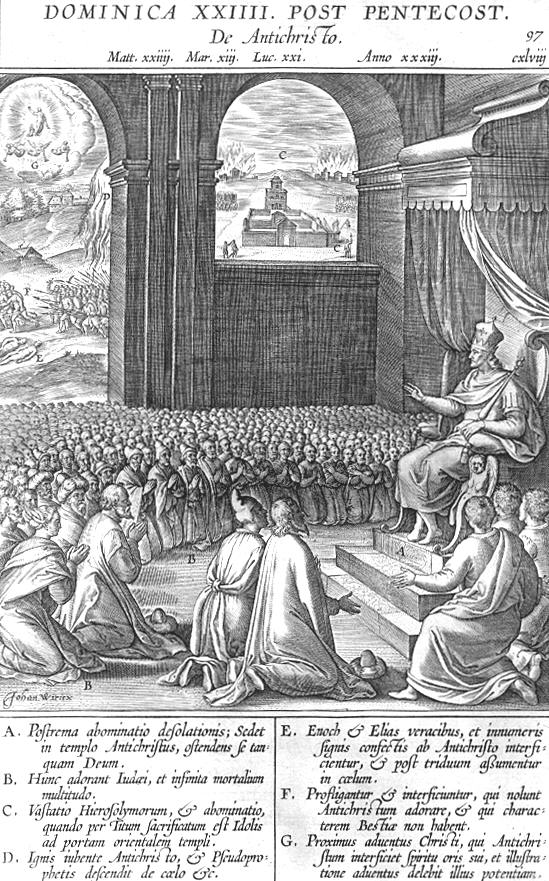
Col 1:9-14 |
Matt 24:15-35 |
| DAY |
FIRST READING |
GOSPEL READING |